This blog reflects on the daily bible readings of the Catholic Church
Isaiah 11: 1-10
A shoot will spring from the stock of Jesse, a new shoot will grow from his roots.
2 On him will rest the spirit of God, the spirit of wisdom and insight,
the spirit of counsel and power, the spirit of knowledge and fear of God:
3 his inspiration will lie in fearing the Lord.
His judgement will not be by appearances, his verdict not given on hearsay.
4 He will judge the weak with integrity and give fair sentence for the humblest in the land.
He will strike the country with the rod of his mouth and with the breath of his lips bring death to the wicked.
5 Uprightness will be the belt around his waist, and constancy the belt about his hips.
6 The wolf will live with the lamb, the panther lie down with the kid,
calf, lion and fat-stock beast together, with a little boy to lead them.
7 The cow and the bear will graze, their young will lie down together. The lion will eat hay like the ox.
8 The infant will play over the den of the adder; the baby will put his hand into the viper’s lair.
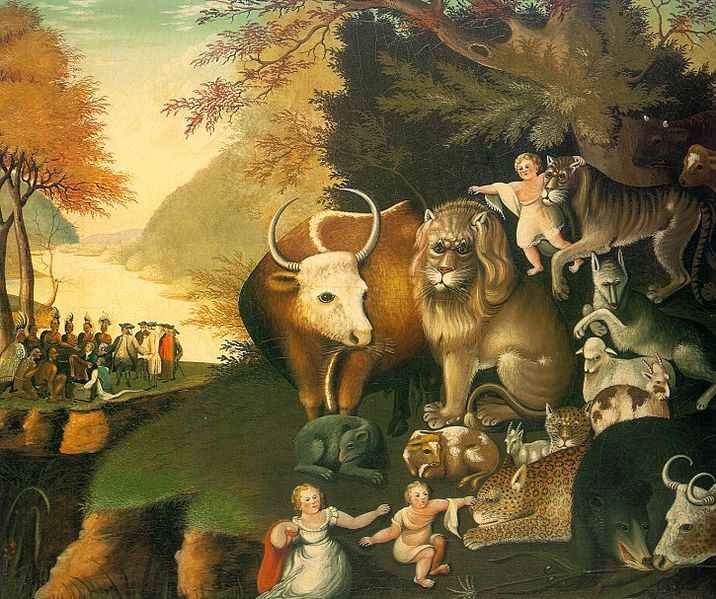
"...and a little child shall lead them"
9 No hurt, no harm will be done on all my holy mountain,
for the land will be full of knowledge of the Lord, as the waters cover the sea.
This is a marvellous example of the prophetic imagination. The author, Isaiah, an official at the royal court in the 8th century BCE, was possessed equally by an uncompromising criticism of the Davidic line, and a hope that this line would supply the messiah, who would create God’s justice on earth. His vision is specific in its brief enumeration of the qualities of the ideal king: wisdom, insight, fear of God, shrewd judgement based on fact, bias to the weak and the least important, plain speaking in opposition to evil, personal goodness and constancy. We would still wish for such a government today. But the designation of the messianic king blossoms in the imagination of the prophet into a vision of a restored Eden, where even the snake is peaceful. His words have inspired poets and painters and retain a treacherous power to move the heart of the reader. Justice and peace are indivisible and include all living things.
Gospel, Luke 10:21-24
21 Just at this time, filled with joy by the Holy Spirit, he said,’I bless you, Father, Lord of heaven and of earth, for hiding these things from the learned and the clever and revealing them to little children. Yes, Father, for that is what it has pleased you to do.
22 Everything has been entrusted to me by my Father; and no one knows who the Son is except the Father, and who the Father is except the Son and those to whom the Son chooses to reveal him.’
23 Then turning to his disciples he spoke to them by themselves, ‘Blessed are the eyes that see what you see,
24 for I tell you that many prophets and kings wanted to see what you see, and never saw it; to hear what you hear, and never heard it.’
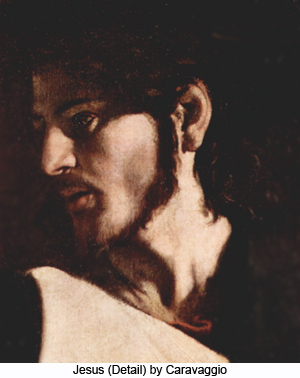
Jesus told his disciples that the great visions of the prophets had come true in his ministry. Theologians call this “realized eschatology”: the promised marvels of the end-time are happening now. This is one of the crucial problems of Christian credibility, and was already a problem in Jesus’ lifetime: how could he say that prophecies had come true, when to the ordinary eye they were just as far away as ever? The man crucified as a messianic pretender told his followers that the kingdom had arrived. Jesus was not self-deceived. He could see that yawning gap between expectation and actuality and he filled that gap with parables, which amongst other motifs, depict the small beginnings and great future of the kingdom as seed and harvest. Jesus commended his relationship with the father, a creative love open to all people, especially to the disregarded, as the fulfilment of prophetic dreams and a taste of Eden.
 Emmock's Blog