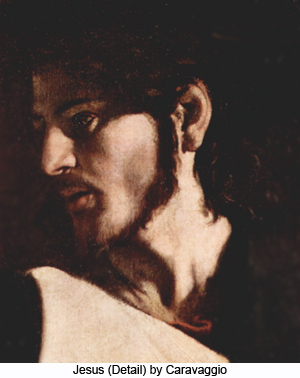
This blog is a reflection on the Catholic daily bible readings
Reading 1, Isaiah 40:25-31
25 ‘To whom can you compare me, or who is my equal?’ says the Holy One.
26 Lift your eyes and look at the heavens: he who created these things leads out their army in order, summoning each of them by name. So mighty is his power, so great his strength, that not one fails to answer.
27 How can you say, Jacob, how can you repeat, Israel, ‘My way is hidden from the Lord, my rights are ignored by my God’?
28 Did you not know? Had you not heard? The Lord is the everlasting God, he created the remotest parts of the earth. He does not grow tired or weary, his understanding is beyond fathoming.
29 He gives strength to the weary, he strengthens the powerless.
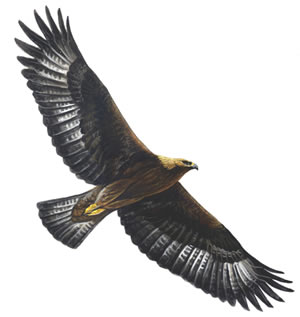
They shall rise up on wings as eagles
30 Youths grow tired and weary, the young stumble and fall,
31 but those who hope in the Lord will regain their strength, they will sprout wings like eagles, though they run they will not grow weary, though they walk they will never tire.
Gospel, Matthew 11:28-30
28 Jesus said ‘Come to me, all you who labour and are overburdened, and I will give you rest.
29 Shoulder my yoke and learn from me, for I am gentle and humble in heart, and you will find rest for your souls.
30 Yes, my yoke is easy and my burden light.
If the prophet was speaking to exiles in Babylon, they might have had difficulty believing his words. Was there any evidence that God was attending to their rights? Was it not the case that those who hoped in the Lord were forever disappointed?
Similarly did disciples who were following Jesus into rejection and danger, find it possible to trust his words about an easy yoke? How would Jesus reconcile his words about the light burden, with his words about taking up the cross?
Those who’ve kept their hope in God alive in hard times, give obstinate witness that “He strengthens the powerless.” Time and again brutal powers have been stunned by the resilience of those they persecute and the endurance of those they torture. “Hope” is a translation of Hebrew “qavah”, whose root means to twist a rope, or bind with a rope. In our own slang vocabulary, we talk about those who have no more endurance as being “at the end of their rope,” an image which comes from tethering horses: the animal has used up all the food in the range of its tether. Those whose lives are firmly bound to God or goodness or justice or freedom are not separated from their strength even by long oppression. They rise up on wings as eagles. Gandhi was like that. Martin Luther King was like that. Chico Mendez was like that. Mandela is like that. They are witnesses to the One who strengthens the powerless.
Jesus was also like that, yet he rejected the false rigour associated with some who fight political or spiritual oppression. His way is the wise way for human beings because it binds people to a God whose only concern is their welfare: there is no religious or moral masochism required. It binds them to Jesus, from whom they will learn gentleness and humility: there is no ferocious competition for a place in the sun. Those who grunt and sweat under a weary life will find rest. Jesus was not a life-denying hero. He went to his death because he refused to hide the scandalously easy yoke and the light burden.
 Emmock's Blog