Again this blog reflects on the readings for the day from the Catholic daily bible readings.
Reading 1, Zephaniah 3:1-2, 9-13
1 Disaster to the rebellious, the befouled, the tyrannical city!
2 She has not listened to the call, she has not bowed to correction, she has not trusted in the Lord, she has not drawn near to her God.
9 Yes, then I shall purge the lips of the peoples, so that all may invoke the name of the Lord and serve him shoulder to shoulder.
10 From beyond the rivers of Ethiopia, my suppliants will bring me tribute.
11 When that Day comes you will never again be ashamed of all the deeds with which you once rebelled against me, for I shall rid you of those who exult in your pride; never again will you strut on my holy mountain.
12 But in you I shall leave surviving a humble and lowly people,
13 and those who are left in Israel will take refuge in the name of the Lord. They will do no wrong, will tell no lies; nor will a deceitful tongue be found in their mouths. But they will be able to graze and rest with no one to alarm them.
Gospel, Matthew 21:28-32
28 ‘What is your opinion? A man had two sons. He went and said to the first, “My boy, go and work in the vineyard today.” 29 He answered, “I will not go,” but afterwards thought better of it and went. 30 The man then went and said the same thing to the second who answered, “Certainly, sir,” but did not go.
31 Which of the two did the father’s will?’ They said, ‘The first.’ Jesus said to them, ‘In truth I tell you, tax collectors and prostitutes are making their way into the kingdom of God before you. 32 For John came to you, showing the way of uprightness, but you did not believe him, and yet the tax collectors and prostitutes did. Even after seeing that, you refused to think better of it and believe in him.’

"The prostitutes go into the kingdom before you"
Zephaniah the prophet lived in Judah in the time of King Josiah, who instituted a religious reform, associated with the book of Deuteronomy, the second law. His vision was of a defeat of the “arrogant and powerful” in Judah, leaving behind the “humble and lowly” who would serve the Lord, in peace in Jerusalem. This prophecy was not fulfilled. Or rather it was not officially fulfilled because those who were exiled to Babylon, despised those who were left behind. When the exiles returned, they separated themselves from the people of the land, and especially from the Samaritans. It’s quite possible that an important history of ordinary Jewish people, was suppressed and obliterated from the record of faith.
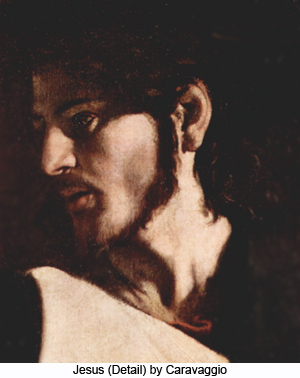
Jesus was concerned to honour those who may not have spoken the right words, but had done the right thing. The witness of the tax collectors and prostitutes to John the Baptist would have been suppressed, but for the fact that Jesus recognised it. The place of outcasts and sinners in the story of Jesus, is a great encouragement to all of us who have gone wrong in our lives. It may even be the case that after our initial refusal, we can do the will of God, whereas some who have the right words, may not act upon them. By the time Matthew was writing his gospel, the parable of the two sons may have been applied to Jews and Gentiles. It’s always important that public sinners know the good news is especially for them.
 Emmock's Blog