This blog follows the daily bible readings of the Catholic Church
Reading 1, Acts 5:17-26
17 Then the high priest intervened with all his supporters from the party of the Sadducees. Filled with jealousy, 18 they arrested the apostles and had them put in the public gaol. 19 But at night the angel of the Lord opened the prison gates and said as he led them out,
20 ‘Go and take up position in the Temple, and tell the people all about this new Life.’
21 They did as they were told; they went into the Temple at dawn and began to preach. When the high priest arrived, he and his supporters convened the Sanhedrin — this was the full Senate of Israel — and sent to the gaol for them to be brought. 22 But when the officials arrived at the prison they found they were not inside, so they went back and reported,
23 ‘We found the gaol securely locked and the warders on duty at the gates, but when we unlocked the door we found no one inside.’
24 When the captain of the Temple and the chief priests heard this news they wondered what could be happening. 25 Then a man arrived with fresh news. ‘Look!’ he said, ‘the men you imprisoned are in the Temple. They are standing there preaching to the people.’ 26 The captain went with his men and fetched them — though not by force, for they were afraid that the people might stone them.
A religious and political establishment will defend itself by any means from those who may destroy it. The bottom line is: power and wealth are at stake. Establishments of long-standing are also often incompetent. Here the apostles are jailed but are easily freed (the Lord’s messenger opens the gates-a messenger with a key!) and are found preaching openly in the temple, when they should be locked in the jail. The comedy of this is lost on the establishment but would not have passed unnoticed by the people. More profoundly, this is a story about how the truth, especially truth that is good news, cannot be put in jail. But the bearers of truth can be jailed and require courage in the face of persecution. Today’s flabby church should take a good look at these stories of courage in the book of The Acts.
Gospel, John 3:16-21

Aung san suu kyi, who knows the truth and trusts in the name of God's son
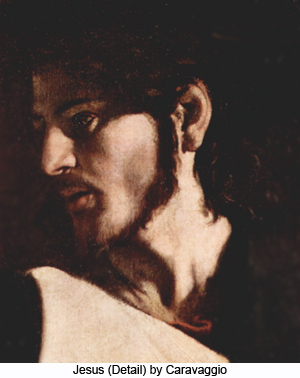
16 For this is how God loved the world: he gave his only Son, so that everyone who believes in him may not perish but may have eternal life. 17 For God sent his Son into the world not to judge the world, but so that through him the world might be saved. 18 No one who believes in him will be judged; but whoever does not believe is judged already, because that person does not believe in the Name of God’s only Son. 19 And the judgement is this: though the light has come into the world people have preferred darkness to the light because their deeds were evil. 20 And indeed, everybody who does wrong hates the light and avoids it, to prevent his actions from being shown up;
21 but whoever does the truth comes out into the light, so that what he is doing may plainly appear as done in God.’
This is a much abused passage because of its overuse by evangelical Christians. It s an announcement of the good news, but should not be used as a substitute for the whole gospel. For example, God “sending his son” needs almost the whole bible as commentary. Let’s note some key features of the passage:
- God’s love is not some vague emotion of goodwill: it is the “sending of his son into the world.” It is surely possible to know God’s love without knowing the Christian story, but the clues on which such knowing is based, will turn out to be part of that story.
- The purpose of God’s love is made clear: it is that human life should not run out into nothingness, but should share the fullness of God’s life.
- God’s desire is never for condemnation. He only provides light. Those who choose darkness are responsible for their own choice. Anyone who thinks this is a soft doctrine has not felt the fear that God may allow them their own choice of hell.
- Those who do not “believe”, that is, trust, in the “name”, that is, the eternal character, of God’s son, judge themselves. They have seen the light and have hidden from it. This passage is often used to put all who are not Christian believers under judgement. The interpretation of “those who do not believe in the name” as those who “prefer darkness to light because their deeds are evil,” proves that view is wrong. John is talking about something more profound than what we say we believe. He means the fundamental orientation of our lives.
- Those who are drawn to the light are happy that their lives should be exposed to the truth of God.
 Emmock's Blog