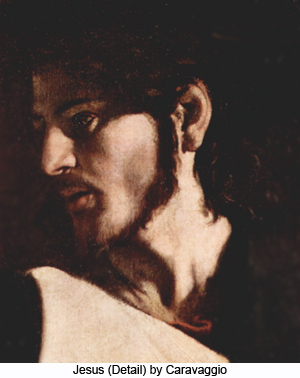
The bible blog follows the daily bible readings of the Catholic Church
Reading 1, Acts 5:27-33
27 When they had brought them in to face the Sanhedrin, the high priest demanded an explanation.
28 ‘We gave you a strong warning’, he said, ‘not to preach in this name, and what have you done? You have filled Jerusalem with your teaching, and seem determined to fix the guilt for this man’s death on us.’
29 In reply Peter and the apostles said, ‘Obedience to God comes before obedience to men; 30 it was the God of our ancestors who raised up Jesus, whom you executed by hanging on a tree. 31 By his own right hand God has now raised him up to be leader and Saviour, to give repentance and forgiveness of sins through him to Israel. 32 We are witnesses to this, we and the Holy Spirit whom God has given to those who obey him.’
33 This so infuriated them that they wanted to put them to death.
Gospel, John 3:31-36
31 He who comes from above is above all others; he who is of the earth is earthly himself and speaks in an earthly way. He who comes from heaven 32 bears witness to the things he has seen and heard, but his testimony is not accepted by anybody; 33 though anyone who does accept his testimony is attesting that God is true, 34 since he whom God has sent speaks God’s own words, for God gives him the Spirit without reserve. 35 The Father loves the Son and has entrusted everything to his hands. 36 Anyone who believes in the Son has eternal life, but anyone who refuses to believe in the Son will never see life: God’s retribution hangs over him.’
It is clear from the Acts passage that believing in the Son of God means recognising what you’ve done to put him on the cross. He is risen to offer forgiveness, so there is no room for denial. The same disciples who boldly make witness to the Sanhedrin are those who deserted Jesus in his time of need. They have already encountered the forgiveness of the risen Jesus. In the case of the Sanhedrin, they would have to repent their whole religious and political leadership, hence their violent fury. Telling the truth to power is still a duty for Christian people but it is important that the offer of forgiveness must also always be there, even when the policies of the powerful have caused death. To confront powerful people without fear or hatred, believing that the good news is also for them, is the work of Christ and his church.
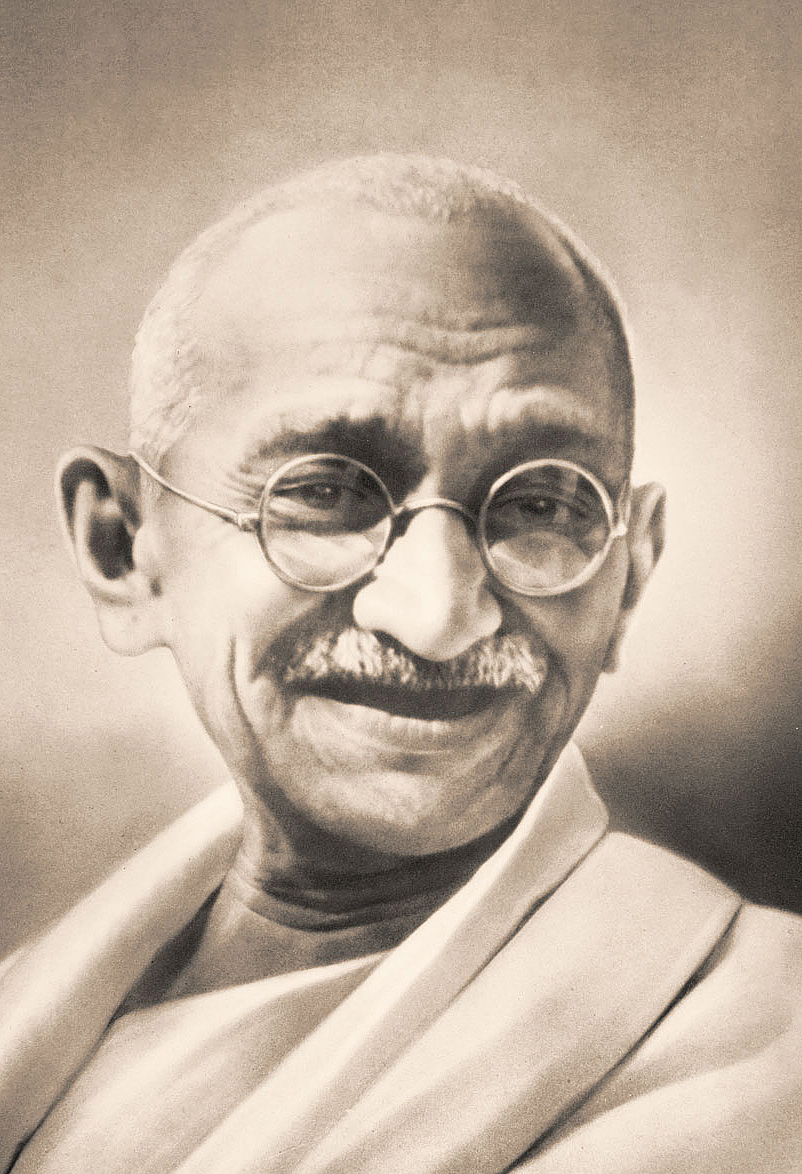
Gandhi understood the Son of God better than some Christians
If it often seems, as above in Acts, that retribution hangs over those who challenge power, John’s gospel reminds us that in truth it’s the other way round. God’s retribution hangs over those who “refuse to trust in the Son.” These are not simply unbelievers. As we know from the preceding sections of this chapter, John means those who deny the truth, and hide from the light of Christ, because they do not wish their evil exposed. God’s retribution is to leave them in the darkness they’ve chosen. Jesus, in the power of the Spirit is sole witness to God’s truth, for only He is the Son. It is vital to know what this means:
- It does not mean that all other belief systems are simply wrong or evil.
- It does mean that Christian believers hold Jesus’ revelation of God as ultimate.
- It does not mean that Christian believers have fully understood that revelation.
- It does mean that they know God is love.
- If God is love he loves people of all religions, and has provided ways for them to know his Son, not just through Christian evangelism, but also through whatever is true in their own beliefs and practice.
- Believing in the ultimacy of Jesus’ revelation is not exclusive, but inclusive in the truth of God’s love.
- The practice of God’s love means that judging religious systems, is less important than sharing God’s love with people.
- Nevertheless, because religious systems, including Christian systems, can damage people, they must be exposed to the light of Christ.
 Emmock's Blog