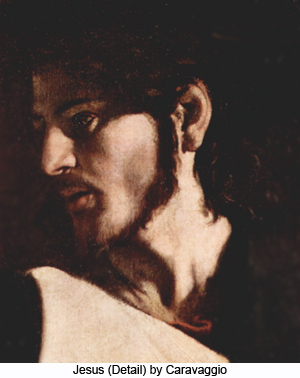
This blog follows the daily bible readings of the Catholic Church
Reading 1, Acts 6:1-7
1 About this time, when the number of disciples was increasing, the Hellenists made a complaint against the Hebrews: in the daily distribution their own widows were being overlooked.
2 So the Twelve called a full meeting of the disciples and addressed them, ‘It would not be right for us to neglect the word of God so as to give out food; 3 you, brothers, must select from among yourselves seven men of good reputation, filled with the Spirit and with wisdom, to whom we can hand over this duty. 4 We ourselves will continue to devote ourselves to prayer and to the service of the word.’
5 The whole assembly approved of this proposal and elected Stephen, a man full of faith and of the Holy Spirit, together with Philip, Prochorus, Nicanor, Timon, Parmenas, and Nicolaus of Antioch, a convert to Judaism. 6 They presented these to the apostles, and after prayer they laid their hands on them. 7 The word of the Lord continued to spread: the number of disciples in Jerusalem was greatly increased, and a large group of priests made their submission to the faith.
The young church recognised two responsibilities: to preach the good news of Jesus; and to maintain a community that would be a model of God’s rule. This passage shows the resolution of a clash between these responsibilities. The Hellenists were the Greek –speaking members of the church, the Hebrews spoke Aramaic. The unity of the church demanded that the needy of both groups were equally cared for. The apostles were sure that their priority was communicating the good news, and therefore proposed a new structure within the church, which was, in effect, the diaconate, that is, those called to serve others. Churches today, with an expanding number of councils and committees, might well look again at the simple efficiency of the early church.
Gospel, Jn 6:16-21
16 That evening the disciples went down to the shore of the sea 17 and got into a boat to make for Capernaum on the other side of the sea. It was getting dark by now and Jesus had still not rejoined them. 18 The wind was strong, and the sea was getting rough. 19 They had rowed three or four miles when they saw Jesus walking on the sea and coming towards the boat. They were afraid,
20 but he said, ‘It’s me. Don’t be afraid.’
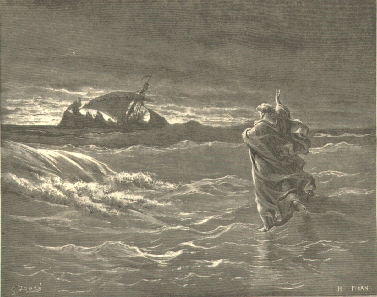
Jesus walking the waves by Gustav Dore
21 They were ready to take him into the boat, and immediately it reached the shore at the place they were making for.
When Jesus is not in the boat, the disciples struggle to make way in difficult waters. Once he joins them, they are instantly at their destination. For John the story is a parable of the relationship between disciples and Jesus, church and Lord. Jesus is able to walk on the very element that makes them struggle. Ultimately in Bible stories all stormy waters are the waters of chaos, over which the Creator walked to make the ordered world, and over which God’s Son is to walk when he goes to the cross. The words of reassurance in Greek, “Ego Eimi” are the same as the name of God, the “I Am.” Jesus brings the life of God into the midst of darkness and danger.
The Church must not cease its struggle with the storms, but it should look for the companionship of the One who walks the waves. When individual believers are fighting against the odds, it may be helpful for them to visualise this story.
 Emmock's Blog