
This blog follows the daily bible readings of the Catholic Church. Today’s Gospel reading is the passage from John’s Gospel already given for Saturday 1st May, so I have omitted it.
Reading 1, 1 Corinthians 15:1-8
1 I want to make quite clear to you, brothers, what the message of the gospel that I preached to you is; you accepted it and took your stand on it,
2 and you are saved by it, if you keep to the message I preached to you; otherwise your coming to believe was in vain.
3 The tradition I handed on to you in the first place, a tradition which I had myself received, was that Christ died for our sins, in accordance with the scriptures,
4 and that he was buried; and that on the third day, he was raised to life, in accordance with the scriptures;
5 and that he appeared to Cephas; and later to the Twelve;
6 and next he appeared to more than five hundred of the brothers at the same time, most of whom are still with us, though some have fallen asleep;
7 then he appeared to James, and then to all the apostles.
8 Last of all he appeared to me too, as though I was a child born abnormally.
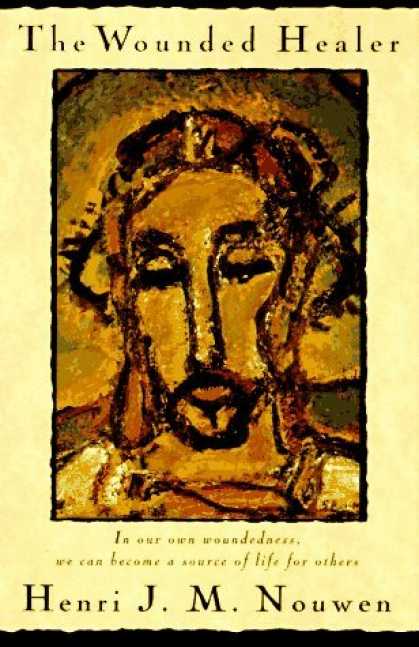
"last of all, he appeared to me."
The story of the risen Jesus, told by Paul, ends with his own conversion. We must not go first of all to the story told much later by Luke in The Acts, but to Paul’s own witness in Galatians that he had been a zealous persecutor of Christians, but that God “had revealed his son in me.” Paul never described the experience in detail: it was a revelation of Jesus, the Son of God. Paul notes that he received a tradition about the “appearances” of the Risen Lord. If so, this evidence goes back to the early years of the church. The main points of this apostolic tradition are:
- Jesus died and was buried. There was no hocus-pocus about his death.
- This death was “for our sins, according to the scriptures”-probably Isaiah 53, “he was bruised for our transgressions, wounded for our iniquities”. Our sins-not just those of religious leaders and Romans- put him on the cross, on which he offered his life to God.
- Jesus was raised to life, that is, God raised him. The passive is often used when God’s action is meant.
- He was raised on the third day according to the scriptures. In the scriptures God’s action “on the third day” is not an indication of time, but of finality: the third day is decisive.
- He appeared etc. The initiative is with Jesus. The witnesses do not first see: rather, Jesus appears.
- His appearances are the evidence for the unseen resurrection.
- Jesus appearance to Paul was not different in kind from those to the other witnesses, except that Paul was born into faith “like an abortion”, that is, his birth seemed unnatural and unattractive, because he was a killer of Christians.
The whole passage is important historically and theologically, and is very helpful to the believer who wants to puzzle out a contemporary doctrine of the resurrection.
 Emmock's Blog