
This blog follows the daily bible readings of the Catholic Church
Reading 1, Acts 17:15, 22—18:1
15 Paul’s escort took him as far as Athens, and went back with instructions for Silas and Timothy to rejoin Paul as soon as they could. 22 So Paul stood before the whole council of the Areopagus and made this speech: ‘Men of Athens, I have seen for myself how extremely scrupulous you are in all religious matters, 23 because, as I strolled round looking at your sacred monuments, I noticed among other things an altar inscribed: To An Unknown God. In fact, the unknown God you revere is the one I proclaim to you. 24 ‘Since the God who made the world and everything in it is himself Lord of heaven and earth, he does not make his home in shrines made by human hands. 25 Nor is he in need of anything, that he should be served by human hands; on the contrary, it is he who gives everything — including life and breath — to everyone.
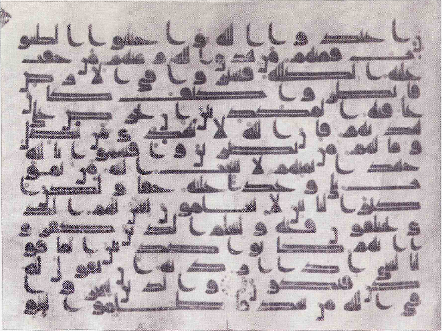
The Holy Quran
26 From one single principle he not only created the whole human race so that they could occupy the entire earth, but he decreed the times and limits of their habitation. 27 And he did this so that they might seek the deity and, by feeling their way towards him, succeed in finding him; and indeed he is not far from any of us, 28 since it is in him that we live, and move, and exist, as indeed some of your own writers have said: We are all his children. 29 ‘Since we are the children of God, we have no excuse for thinking that the deity looks like anything in gold, silver or stone that has been carved and designed by a man.
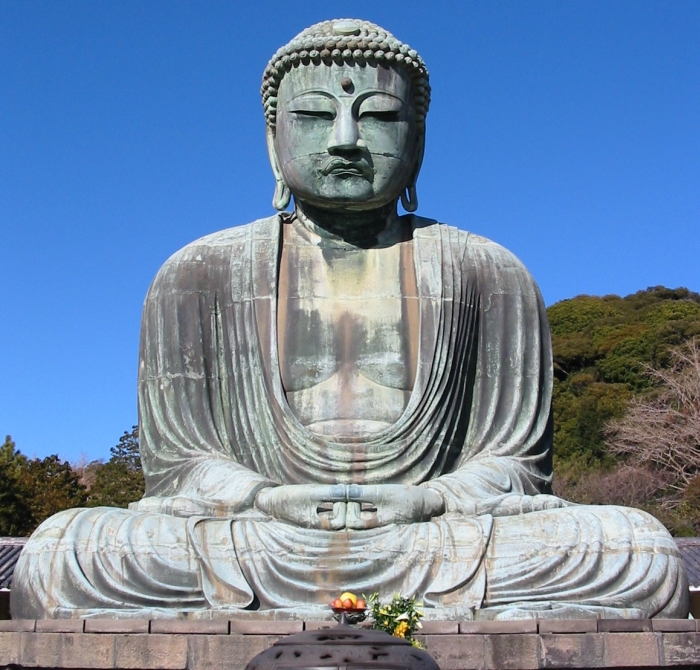
The Buddha
30 ‘But now, overlooking the times of ignorance, God is telling everyone everywhere that they must repent, 31 because he has fixed a day when the whole world will be judged in uprightness by a man he has appointed. And God has publicly proved this by raising him from the dead.’ 32 At this mention of rising from the dead, some of them burst out laughing; others said, ‘We would like to hear you talk about this another time.’
33 After that Paul left them, 34 but there were some who attached themselves to him and became believers, among them Dionysius the Aeropagite and a woman called Damaris, and others besides.
1 After this Paul left Athens and went to Corinth,
Gospel, Jn 16:12-15
12 I still have many things to say to you but they would be too much for you to bear now. 13 However, when the Spirit of truth comes he will lead you to the complete truth, since he will not be speaking of his own accord, but will say only what he has been told; and he will reveal to you the things to come. 14 He will glorify me, since all he reveals to you will be taken from what is mine. 15 Everything the Father has is mine; that is why I said: all he reveals to you will be taken from what is mine.
Paul’s sermon is Luke’s model of how such evangelization should be done. If we read Paul’s letter’s we can be fairly sure Paul would have spoken more directly than this. Nevertheless, Luke’s presentation shows a careful appreciation of the common ground between the believer and the non-believer: that any God worth his salt does not dwell in images devised by human imagination; that there is grandeur is the conception of God as the source of all the universe and of life in it; that the limits of earthly life tempt us to push beyond them to their maker; that such a God is not outside us, but rather we are “in” God; and are his “children”. Although this ground is common to people of Greek culture in the first century, some of it may still have appeal today. The whole “body, mind, spirit” industry plays to a set of assumptions about spiritual common ground today, much of it nonsense, but some reasonable enough.
Paul’s problems began when he moved from the common ground to the more particular content of Christian faith. His generalisations might have been acceptable, but the notion of being judged by a man risen from the dead, was laughable to his audience. They had every excuse, it seems to me, if Paul told them nothing else about Jesus, but it seems clear from his letters that he would certainly have told the story of Jesus’ crucifixion. Perhaps that would not have made his preaching any more popular.
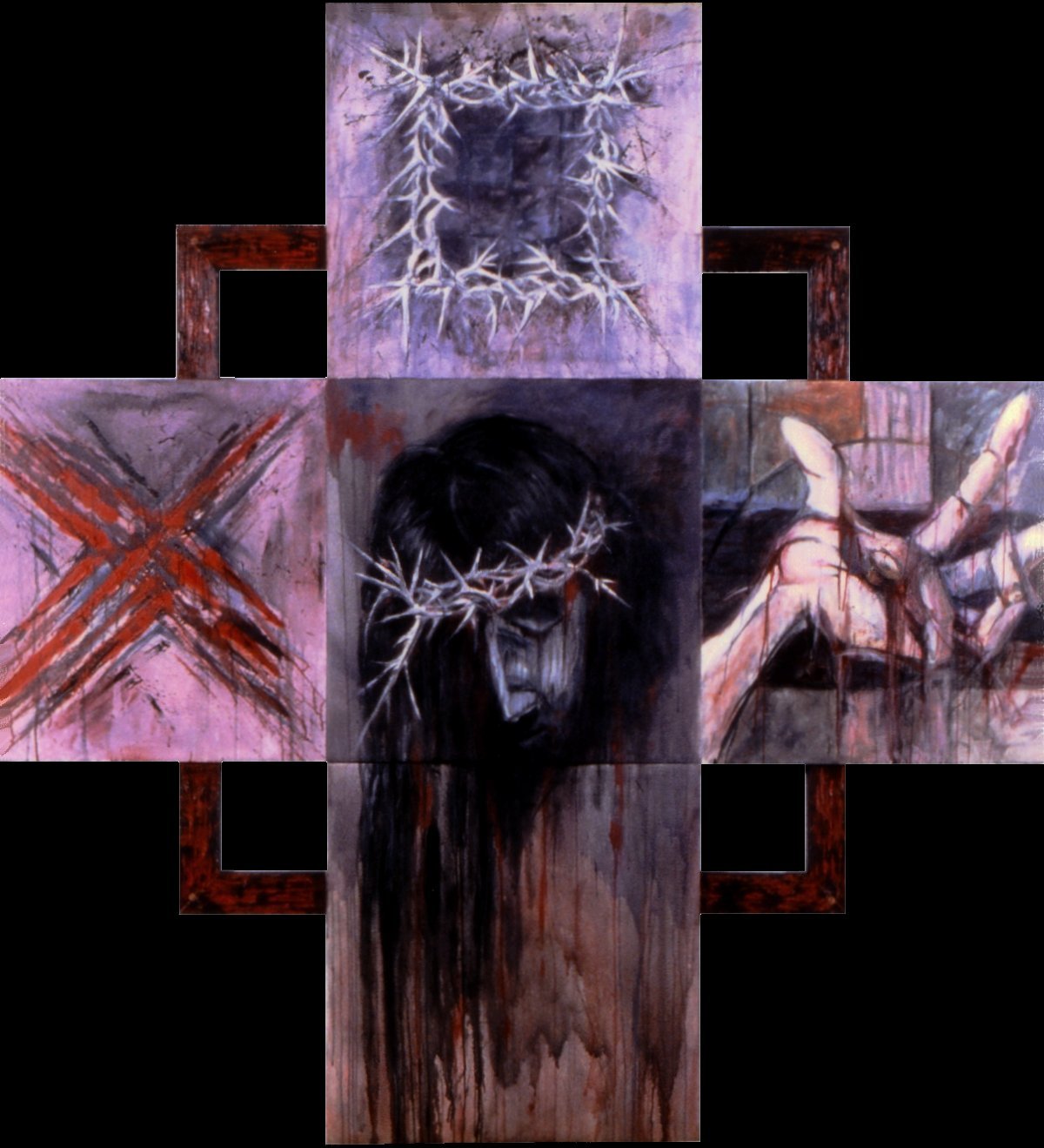
"A man he raised from death"
The lesson is clear: there may be general presuppositions for faith, but the content of any great religion is specific. It is the story of Israel, the teaching of the Buddha, the writing received by Mohammed. These leave the merely general and make specific claims about the nature of God, the causes of suffering, the duties of human beings. Whatever is of universal value in Christianity is not the presuppositions it may share with people of other faiths or none, but rather the particular story of Jesus, and the specific gospel his followers handed on. By the same token, what we can learn from people of other faiths is not some general religiosity, but rather the character and wisdom of their teachers.
When the Buddha was asked about the ultimate meaning of life, he picked up a flower and held it silently in his hand.
When Mohammed was asked why he stood in reverence for the funeral procession of an infidel, he answered, “It is not a soul?”
These tell me more than any generalities about Buddhism or Islam; and any Buddhist or Moslem will learn more from the Beatitudes or the narrative of the crucifixion, than from any prologue to Christian theology.
The Spirit of Truth, mentioned by Jesus in John’s gospel is very different from the “spirit” beloved of the modern book trade. The Spirit of Truth does not move believers away from Jesus’ life and words, even though he is no longer present. It brings people back to Jesus, in the recognition that what belongs to Jesus belongs to the father, and vice versa. There is no God outside his revelation in Jesus of Nazareth. Just as, for a Buddhist, there is no truth outside its revelation in Buddha, and for a Moslem there is one God and Mohammed is his prophet. We will not arrive a greater truth through a melange of revelations. They cannot be added to each other. We can, however, show mutual reverence and respect, and sometimes accept criticism from our fellow travellers, as we journey in faithfulness to the truth revealed to us.
 Emmock's Blog