This blog follows the daily bible readings of the Catholic Church
Reading 1, Ezekiel 43:1-7b
1 He took me to the gate, the one facing east.
2 I saw the glory of the God of Israel approaching from the east. A sound came with him like the sound of the ocean, and the earth shone with his glory.
3 This vision was like the one I had seen when I had come for the destruction of the city, and like the one I had seen by the River Chebar. Then I fell to the ground.
4 The glory of the Lord arrived at the Temple by the east gate.
5 The Spirit lifted me up and brought me into the inner court; I saw the glory of the Lord fill the Temple.
6 And I heard someone speaking to me from the Temple while the man stood beside me.
7 He said, ‘Son of man, this is the dais of my throne, the step on which I rest my feet. I shall live here among the Israelites for ever; and the House of Israel, they and their kings, will never again defile my holy name with their whorings and the corpses of their kings.
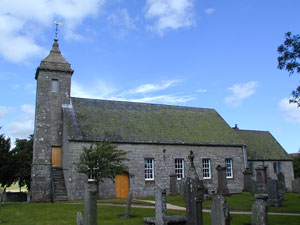
Auchterhouse Church, Angus, Scotland. One of the modest steps on which the Lord rests his feet
However glorious our sanctuaries, they are only the step on which God rests his feet. The book of The Revelation in the New Testament makes great use of Ezekiel’s imagery of the temple, which provides a picture of the dwelling place of God, in the human person and in the community of faith. The transforming beauty of God’s presence is evident, not in the architecture and decoration of buildings, but in the lives of people. Nevertheless, the beauty of a place of worship can assist the transformation of worshipers’ lives. My protestant soul values modesty of design and decoration more highly than any elaboration, no matter how elegant.
Gospel, Matthew 23:1-12
1 Then addressing the crowds and his disciples Jesus said, 2 ‘The scribes and the Pharisees occupy the chair of Moses.3 You must therefore do and observe what they tell you; but do not be guided by what they do, since they do not practise what they preach. 4 They tie up heavy burdens and lay them on people’s shoulders, but will they lift a finger to move them? Not they! 5 Everything they do is done to attract attention, like wearing broader headbands and longer tassels, 6 like wanting to take the place of honour at banquets and the front seats in the synagogues, 7 being greeted respectfully in the market squares and having people call them Rabbi.
8 ‘You, however, must not allow yourselves to be called Rabbi, since you have only one Master, and you are all brothers. 9 You must call no one on earth your father, since you have only one Father, and he is in heaven. 10 Nor must you allow yourselves to be called teachers, for you have only one Teacher, the Christ. 11 The greatest among you must be your servant. 12 Anyone who raises himself up will be humbled, and anyone who humbles himself will be raised up.
The Pope has recently stated that the offence of ordaining a woman is very serious. How he can attribute this ridiculous prejudice against ordained women to Jesus, who said nothing on the topic, while ignoring Jesus’ explicit teaching on the arrogance, privileges and honorific titles of religious leaders is beyond me.
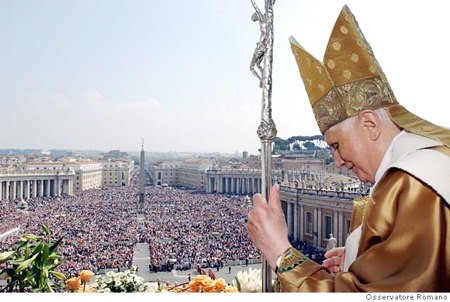
"Call no man father"-Jesus of Nazareth
But it’s also probably not my business. I confess that sometimes the honour still given to clergy in Scotland is a pleasure, and that respect is a balm to the battered ego. I need to be reminded again and again, that God’s dwelling in is the community of his people, of which I am a servant only. (The pope also will say this, but does the power of his office belie his words?)
 Emmock's Blog