This blog follows the daily bible readings of the Catholic Church
Reading 1, Revelation 5:1-10
1 I saw that in the right hand of the One sitting on the throne there was a scroll that was written on back and front and was sealed with seven seals. 2 Then I saw a powerful angel who called with a loud voice, ‘Who is worthy to open the scroll and break its seals?’
3 But there was no one, in heaven or on the earth or under the earth, who was able to open the scroll and read it. 4 I wept bitterly because nobody could be found to open the scroll and read it, 5 but one of the elders said to me, ‘Do not weep. Look, the Lion of the tribe of Judah, the Root of David, has triumphed, and so he will open the scroll and its seven seals.’
6 Then I saw, in the middle of the throne with its four living creatures and the circle of the elders, a Lamb standing that seemed to have been sacrificed; it had seven horns, and it had seven eyes, which are the seven Spirits that God has sent out over the whole world. 7 The Lamb came forward to take the scroll from the right hand of the One sitting on the throne, 8 and when he took it, the four living creatures prostrated themselves before him and with them the twenty-four elders; each one of them was holding a harp and had a golden bowl full of incense which are the prayers of the saints. 9 They sang a new hymn: You are worthy to take the scroll and to break its seals, because you were sacrificed, and with your blood you bought people for God of every race, language, people and nation 10 and made them a line of kings and priests for God, to rule the world.
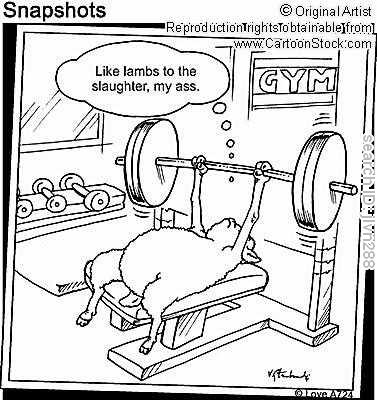
not a sentimental image of the lamb
The scroll contains the story of God’s salvation of the world. Only the Lamb, that is, only the crucified-and-risen Christ, is worthy to open it. He is the one who publishes the “glad tidings of good things.” The Lamb is also the Lion of Judah, the Messiah and universal king. The symbol of the lamb, used in the bible books connected with the disciple John, has various origins: the lambs sacrificed for the Jewish Passover, the “servant of God” in Isaiah who goes “like a lamb to slaughter”; the scapegoat which bears away the people’s sin-all these certainly. The ancient language of sacrifice is transformed when used of One who went to his death to maintain the truth of God’s love for all people. We must chase out of this metaphor all hocus- pocus about God’s desire for a blood sacrifice to satisfy his judgment on sinful humanity. That is heretical nonsense. God in Jesus makes himself the sacrifice that defeats our evil; Jesus the human being makes the offering to God that we are unable to make except through him; that’s the meaning of the Lamb whose death gathers a new people of all races, prepared for self-sacrifice, who in all ages quietly rule the world.
Gospel, Luke 19:41-44
41 As he drew near and came in sight of the city he shed tears over it 42 and said, ‘If you too had only recognised on this day the way to peace! But in fact it is hidden from your eyes! 43 Yes, a time is coming when your enemies will raise fortifications all round you, when they will encircle you and hem you in on every side; 44 they will dash you and the children inside your walls to the ground; they will leave not one stone standing on another within you, because you did not recognise the moment of your visitation.’

Jerusalem settler spraying a Moslem woman with wine
The tears of Jesus are for every city/ nation that fails to recognise the “moment of its visitation”, that, its God-given opportunity to turn towards justice and peace.
 Emmock's Blog