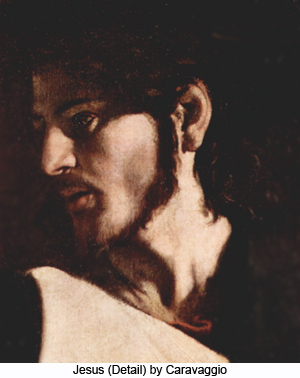
This blog follows the daily bible readings of the Catholic Church
Reading 1, Numbers 24:2-7, 15-17a
2 Raising his eyes Balaam saw Israel settled tribe by tribe; the spirit of God came on him3 and he declaimed his poem, as follows: The prophecy of Balaam son of Beor, the prophecy of the man with far-seeing eyes, 4 the prophecy of one who hears the words of God. He sees what the Eternal makes him see, receives the divine answer, and his eyes are opened.
5 How fair your tents are, Jacob, how fair your dwellings, Israel, 6 like valleys that stretch afar, like gardens by the banks of a river, like aloes planted by the Lord, like cedars beside the waters! 7 A hero arises from their stock, he reigns over countless peoples. His king is greater than Agag, and his kingship held in honour.
15 He then declaimed his poem, as follows: The prophecy of Balaam son of Beor, the prophecy of the man with far-seeing eyes, 16 the prophecy of one who hears the words of God, of one who knows the knowledge of the Most High. He sees what the Eternal makes him see, receives the divine answer, and his eyes are opened.
17 I see him — but not in the present. I perceive him — but not close at hand: a star is emerging from Jacob, a sceptre is rising from Israel, to strike the brow of Moab, the skulls of all the children of Seth.
……………………………………………………………..
Balaam, a non-Jewish prophet is known from Aramaic documents as well as the Bible. He appears to have had legendary status around the 10th century BC in Israel and nearby countries. Whatever the origin of these prophecies, scholars are clear that they were used in the time of King David to bolster his claim to be a divinely appointed ruler. The language is vague enough to permit almost any leader to appropriate its prediction to his own cause; and indeed Christians have interpreted them as pointing to Jesus. Other than their antiquity, I don’t find much of interest in these oracles. Sometimes I want to ask those eager to find Jesus prophecies in the Old Testament, “So what?”
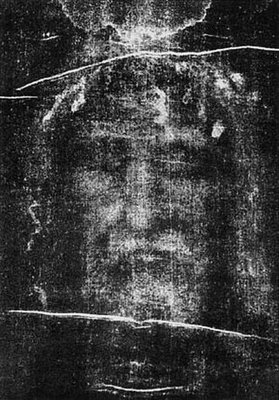
who do you say that I am?
Gospel, Matthew 21:23-27
23 He had gone into the Temple and was teaching, when the chief priests and the elders of the people came to him and said, ‘What authority have you for acting like this? And who gave you this authority?’
24 In reply Jesus said to them, ‘And I will ask you a question, just one; if you tell me the answer to it, then I will tell you my authority for acting like this.
25 John’s baptism: what was its origin, heavenly or human?’ And they argued this way among themselves, ‘If we say heavenly, he will retort to us, “Then why did you refuse to believe him?”;26 but if we say human, we have the people to fear, for they all hold that John was a prophet.’
27 So their reply to Jesus was, ‘We do not know.’ And he retorted to them, ‘Nor will I tell you my authority for acting like this.’
…………………………………………………………………..
Jesus himself was notably reticent about the sources of his authority-except in John’s Gospel where the faith of the Christian community is put on Jesus’ lips. He did not use ancient prophecies to authenticate his ministry; rather he asked people to live with the questions his ministry provoked: “Who do you say that I am?”
He knew that claim and counterclaim are part of the commerce of religion and may protect people from the authority of a life lived out of God. Christian teaching about genuine religious authority includes the insight that it always appears under the sign of contradiction. It does not impose itself. Rather it is questionable and questions those who encounter it. It is the success of Mohammed (peace upon him), that is, his military and religious power, his very lack of contradiction that makes him doubtful in my eyes. Jesus was determined that no religious titles (not even “Messiah”) should blind either disciples or opponents to his mystery.
 Emmock's Blog