This blog follows the daily bible readings of the Catholic Church
Reading 1, Genesis 49:2, 8-10
2 Gather round, sons of Jacob, and listen; listen to Israel your father. 8 Judah, your brothers will praise you: you grip your enemies by the neck, your father’s sons will do you homage. 9 Judah is a lion’s whelp; You stand over your prey, my son. Like a lion he crouches and lies down, a mighty lion: who dare rouse him?
10 The sceptre shall not pass from Judah, nor the ruler’s staff from between his feet, until tribute be brought him and the peoples render him obedience.
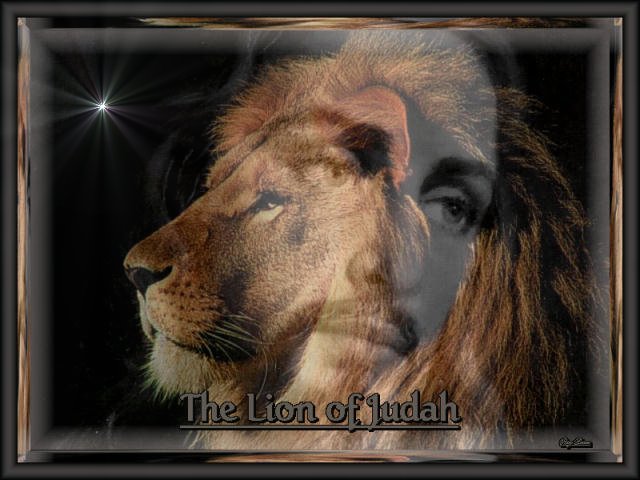
Jesus the Lion of Judah
This is one of the passages that, along with Matthew’s genealogy below, leads to Jesus being called, “The Lion from the House of Judah” in the Revelation, a phrase which in turn has a long history in Ethiopian Royalty and Rastafarianism. The old blessing of Jacob comes alive in the story of the descendant of Judah who in his ministry, cross and resurrection, fought the fight and defeated the powers of evil and death. This is the one who is born in Bethlehem.
Gospel, Matthew 1:1-17
1 Roll of the genealogy of Jesus Christ, son of David, son of Abraham:
2 Abraham fathered Isaac, Isaac fathered Jacob, Jacob fathered Judah and his brothers, 3 Judah fathered Perez and Zerah, whose mother was Tamar, Perez fathered Hezron, Hezron fathered Ram, 4 Ram fathered Amminadab, Amminadab fathered Nahshon, Nahshon fathered Salmon, 5 Salmon fathered Boaz, whose mother was Rahab, Boaz fathered Obed, whose mother was Ruth, Obed fathered Jesse; 6 and Jesse fathered King David. David fathered Solomon, whose mother had been Uriah’s wife,
7 Solomon fathered Rehoboam, Rehoboam fathered Abijah, Abijah fathered Asa, 8 Asa fathered Jehoshaphat, Jehoshaphat fathered Joram, Joram fathered Uzziah, 9 Uzziah fathered Jotham, Jotham fathered Ahaz, Ahaz fathered Hezekiah, 10 Hezekiah fathered Manasseh, Manasseh fathered Amon, Amon fathered Josiah;
11 and Josiah fathered Jechoniah and his brothers. Then the deportation to Babylon took place.
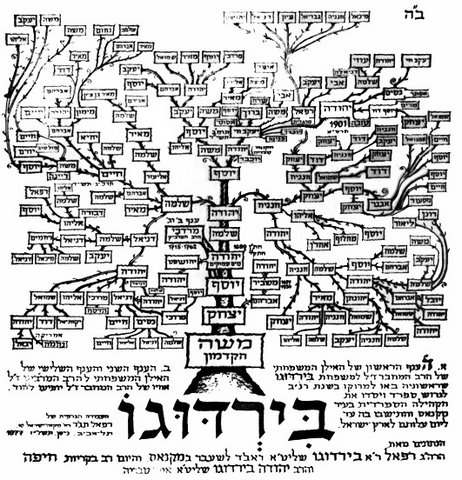
Jewish Genealogy
12 After the deportation to Babylon: Jechoniah fathered Shealtiel, Shealtiel fathered Zerubbabel, 13 Zerubbabel fathered Abiud, Abiud fathered Eliakim, Eliakim fathered Azor, 14 Azor fathered Zadok, Zadok fathered Achim, Achim fathered Eliud,
15 Eliud fathered Eleazar, Eleazar fathered Matthan, Matthan fathered Jacob;
16 and Jacob fathered Joseph the husband of Mary; of her was born Jesus who is called Christ.
17 The sum of generations is therefore: fourteen from Abraham to David; fourteen from David to the Babylonian deportation; and fourteen from the Babylonian deportation to Christ.
It’s a neat genealogy which is different from the one in Luke. Unlike Luke’s version which sets up Jesus as the new Adam, that is, the new human being, Matthew’s emphasises as the new Israel, that is, as the one who fulfils the history of Israel and her God. Jesus’ Davidic inheritance is also prominent in that part 1 of the genealogy leads to King David and parts 2 and 3 issue from him. Jesus is the true King of his people, the Royal Man. (“Fourteen” is the total of the numerical value of the Hebrew letters in the name Dawid, and is therefore a way of signalling the Davidic nature of the genealogy.)
Little details are nice: Ruth the asylum seeker, Uriah a murdered foreigner and his adulterous wife, and Joseph the husband of Mary (who is the Davidic descendant but is less important than his wife) are all mentioned, so that this very Jewish genealogy is infiltrated by Gentiles and this most Davidic genealogy falls at the last fence. As if Matthew were saying, “He was a good Jewish boy, but there’s a bit of the Gentile and the old Adam even in him; and something beyond human inheritance which comes from God.”
 Emmock's Blog