
This blog provides a meditation on the Episcopal daily readings along with a headline from world news:
JAPAN DISASTER DARKENS 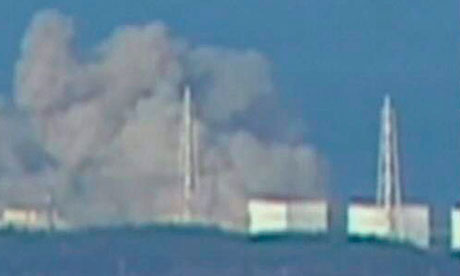
Hebrews 3:12-19
12Take care, brothers and sisters, that none of you may have an evil, unbelieving heart that turns away from the living God. 13But exhort one another every day, as long as it is called ‘today’, so that none of you may be hardened by the deceitfulness of sin. 14For we have become partners of Christ, if only we hold our first confidence firm to the end. 15As it is said,
‘Today, if you hear his voice,
do not harden your hearts as in the rebellion.’
16Now who were they who heard and yet were rebellious? Was it not all those who left Egypt under the leadership of Moses? 17But with whom was he angry for forty years? Was it not those who sinned, whose bodies fell in the wilderness? 18And to whom did he swear that they would not enter his rest, if not to those who were disobedient? 19So we see that they were unable to enter because of unbelief.
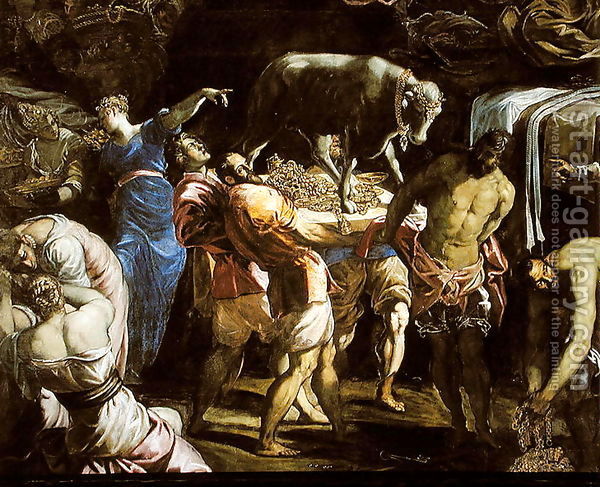
hardened hearts
The author of Hebrews believed that faith as a trustful allegiance to God was the basis of true life. The story of the forty years in the wilderness under Moses becomes for him an image of the life of the Church community. The “today” of the Old Testament text becomes the present time of God’s patience in which repentance and forgiveness are possible. The deaths of those who did not make it into the land of promise become the fate of those who harden their hearts and are excluded from the “rest” which God through Christ has prepared for those who trust. The theology of faith in Hebrews, with its sober estimate of the continuing potential of sin, deserves attention alongside the better known theologies of Paul and John. It is sensibly concerned with the transition from sinfulness to salvation and uncomfortably aware that it is neither instant nor automatic.
John 2:23-3:15
23 When he was in Jerusalem during the Passover festival, many believed in his name because they saw the signs that he was doing. 24But Jesus on his part would not entrust himself to them, because he knew all people 25and needed no one to testify about anyone; for he himself knew what was in everyone.
3Now there was a Pharisee named Nicodemus, a leader of the Jews. 2He came to Jesus by night and said to him, ‘Rabbi, we know that you are a teacher who has come from God; for no one can do these signs that you do apart from the presence of God.’ 3Jesus answered him, ‘Very truly, I tell you, no one can see the kingdom of God without being born from above.’ 4Nicodemus said to him, ‘How can anyone be born after having grown old? Can one enter a second time into the mother’s womb and be born?’ 5Jesus answered, ‘Very truly, I tell you, no one can enter the kingdom of God without being born of water and Spirit. 6What is born of the flesh is flesh, and what is born of the Spirit is spirit. 7Do not be astonished that I said to you, “You must be born from above.” 8The wind blows where it chooses, and you hear the sound of it, but you do not know where it comes from or where it goes. So it is with everyone who is born of the Spirit.’ 9Nicodemus said to him, ‘How can these things be?’ 10Jesus answered him, ‘Are you a teacher of Israel, and yet you do not understand these things?

born from above
11 ‘Very truly, I tell you, we speak of what we know and testify to what we have seen; yet you do not receive our testimony. 12If I have told you about earthly things and you do not believe, how can you believe if I tell you about heavenly things? 13No one has ascended into heaven except the one who descended from heaven, the Son of Man. 14And just as Moses lifted up the serpent in the wilderness, so must the Son of Man be lifted up, 15that whoever believes in him may have eternal life.
This story is so well known that only a few comments are relevant.
- The rebirth from above is just the same as “receiving the kingdom of God as a little child”. It has too often been elevated into something metaphysical and altogether superior to the trustful humility which Jesus associated with the child.
- In John, as in the other gospels, the Spirit is the agent of God’s rule.
- Nicodemus has not grasped how fundamental and uncontrollable is the change of life required by Jesus.
- The speaking voice mixes “I” and “We” just as the author mixes the words of the believing community with the words of Jesus. (“No one ascended into heaven”-that’s surely the voice of the post-resurrection believers.)
- In the story of Moses a sign of death (snake) becomes a sign of healing which is lifted up so that people can see it. Jesus’ ironic “elevation” (John makes it the revelation of his “glory”) on a cross becomes the means of eternal life.
Both of today’s passages in their very different ways warn against underestimating the “catastrophic” nature of salvation. All catastrophes like that in Japan shake us profoundly. The offer of eternal life should do so.
 Emmock's Blog