This blog provides a meditation on the Episcopal daily readings along with a headline from world news:
JAPAN RESCUE FIGHTS EXTREME COLD 
Hebrews 4:1-10
4Therefore, while the promise of entering his rest is still open, let us take care that none of you should seem to have failed to reach it. 2For indeed the good news came to us just as to them; but the message they heard did not benefit them, because they were not united by faith with those who listened. 3For we who have believed enter that rest, just as God has said,
‘As in my anger I swore,
“They shall not enter my rest” ’,
though his works were finished at the foundation of the world. 4For in one place it speaks about the seventh day as follows: ‘And God rested on the seventh day from all his works.’ 5And again in this place it says, ‘They shall not enter my rest.’ 6Since therefore it remains open for some to enter it, and those who formerly received the good news failed to enter because of disobedience, 7again he sets a certain day—‘today’—saying through David much later, in the words already quoted,
‘Today, if you hear his voice,
do not harden your hearts.’
8For if Joshua had given them rest, God would not speak later about another day. 9So then, a sabbath rest still remains for the people of God; 10for those who enter God’s rest also cease from their labours as God did from his.
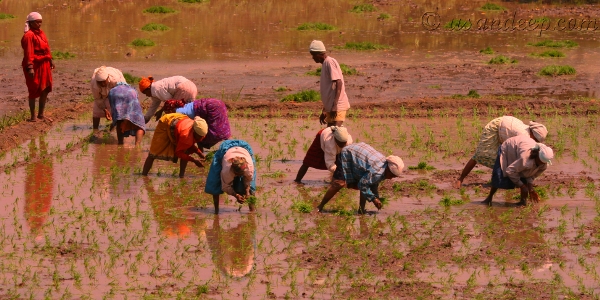
longing for rest
The writer makes great use of Psalm 95, in which God’s judgement on those who rebelled on the march to the Promised Land is pronounced: they shall not enter God’s rest, meaning, they shall not enter the land. The writer however appeals from this narrow meaning of God’s rest to its primary meaning for Jewish faith: the rest of God which is the Sabbath when all people enjoy rest from labour. For this writer, the weekly Sabbath is only the shadow of a greater and more permanent rest: the peace of God’s kingdom. This is the Sabbath rest which still remains for the people of God. We may find this mode of argument strange, but we cannot deny the splendour of the vision. For those who, following Jesus, journey in faith through much hard work and discouragement, the writer promises release from labour in fellowship with God. The “today” of God’s rest can be interpreted in three ways:
- “Here and now” in the midst of this life God gives a peace which cannot be destroyed;
- “At the end of mortal life” God welcomes each faithful person into peace and joy;
- “The end of human history” is the peace and justice of God’s kingdom.
This faith is precisely relevant to the wounded people of Japan.
John 3:16-21
16 ‘For God so loved the world that he gave his only Son, so that everyone who believes in him may not perish but may have eternal life.17 ‘Indeed, God did not send the Son into the world to condemn the world, but in order that the world might be saved through him. 18Those who believe in him are not condemned; but those who do not believe are condemned already, because they have not believed in the name of the only Son of God. 19And this is the judgement, that the light has come into the world, and people loved darkness rather than light because their deeds were evil. 20For all who do evil hate the light and do not come to the light, so that their deeds may not be exposed. 21But those who do what is true come to the light, so that it may be clearly seen that their deeds have been done in God.’

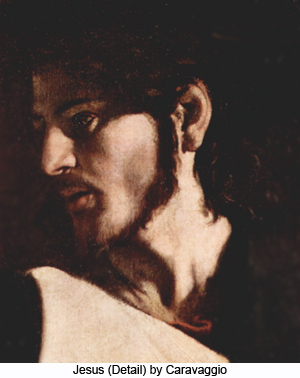
they loved darkness because their deeds were evil
Those who in the most ordinary of ways have seen their children go out into the world where they cannot be protected by parental love, know that the “love of God” in giving his only son is no mere piety but a profound understanding of what Paul calls the “weakness and the foolishness of God”. The nature of the life of the cosmos is that it can and will be destroyed; but the life of God cannot be destroyed and is offered in the world to those who trust. God’s aim in this is not to remove believers from a destructible cosmos but rather that the cosmos itself should be saved. We can compare this with Paul’s “creation itself will be set free from its slavery to decay to share the glorious freedom of the children of God”. The nature of “belief or trust” is that those who have it draw close to the light of Jesus and those who don’t will choose darkness. In the light of current debate on hell, we can note that God does not send people into this darkness: they choose to remain in it and to hold to a life that may be destroyed. There are those who can happily affirm their salvation when reading this passage. Amen, hallelujah. For me the line between life and destruction runs through my own heart.
 Emmock's Blog