
This blog provides a meditation on the Episcopal daily readings along with a headline from world news:
FRANCE BEGINS BAN ON NIQAB AND BURQA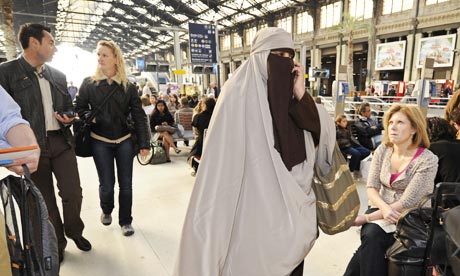
Jeremiah 24:1-10
24The Lord showed me two baskets of figs placed before the temple of the Lord. This was after King Nebuchadrezzar of Babylon had taken into exile from Jerusalem King Jeconiah son of Jehoiakim of Judah, together with the officials of Judah, the artisans, and the smiths, and had brought them to Babylon. 2One basket had very good figs, like first-ripe figs, but the other basket had very bad figs, so bad that they could not be eaten. 3And the Lord said to me, ‘What do you see, Jeremiah?’ I said, ‘Figs, the good figs very good, and the bad figs very bad, so bad that they cannot be eaten.’
4 Then the word of the Lord came to me: 5Thus says the Lord, the God of Israel: Like these good figs, so I will regard as good the exiles from Judah, whom I have sent away from this place to the land of the Chaldeans. 6I will set my eyes upon them for good, and I will bring them back to this land. I will build them up, and not tear them down; I will plant them, and not pluck them up. 7I will give them a heart to know that I am the Lord; and they shall be my people and I will be their God, for they shall return to me with their whole heart.
8 But thus says the Lord: Like the bad figs that are so bad they cannot be eaten, so will I treat King Zedekiah of Judah, his officials, the remnant of Jerusalem who remain in this land, and those who live in the land of Egypt. 9I will make them a horror, an evil thing, to all the kingdoms of the earth—a disgrace, a byword, a taunt, and a curse in all the places where I shall drive them. 10And I will send sword, famine, and pestilence upon them, until they are utterly destroyed from the land that I gave to them and their ancestors.

not losers for ever?
The counter-intuitive meaning of this vision is clear enough: it’s not those exiled who are rejected by the Lord, but those who are left in Judah or have fled to Egypt. Those who are taken to Babylon will return purified from idolatry and injustice while those left in Judah will not and will therefore perish. (My guess is that I can hear in this passage the editorial voice of the returned exiles insisting on their own theology: returned exiles=good; “people of the land”=bad.)
The prophet teaches that those who look like history’s winners may be the ultimate losers and vice versa; it’s a lesson worth learning. On the other hand moral judgements on whole groups of people (like Burqa wearers) are almost always mistaken.
John 9:1-17
9As he walked along, he saw a man blind from birth. 2His disciples asked him, ‘Rabbi, who sinned, this man or his parents, that he was born blind?’ 3Jesus answered, ‘Neither this man nor his parents sinned; he was born blind so that God’s works might be revealed in him. 4We must work the works of him who sent me while it is day; night is coming when no one can work. 5As long as I am in the world, I am the light of the world.’ 6When he had said this, he spat on the ground and made mud with the saliva and spread the mud on the man’s eyes, 7saying to him, ‘Go, wash in the pool of Siloam’ (which means Sent). Then he went and washed and came back able to see. 8The neighbours and those who had seen him before as a beggar began to ask, ‘Is this not the man who used to sit and beg?’ 9Some were saying, ‘It is he.’ Others were saying, ‘No, but it is someone like him.’ He kept saying, ‘I am the man.’ 10But they kept asking him, ‘Then how were your eyes opened?’ 11He answered, ‘The man called Jesus made mud, spread it on my eyes, and said to me, “Go to Siloam and wash.” Then I went and washed and received my sight.’ 12They said to him, ‘Where is he?’ He said, ‘I do not know.’
13 They brought to the Pharisees the man who had formerly been blind. 14Now it was a Sabbath day when Jesus made the mud and opened his eyes. 15Then the Pharisees also began to ask him how he had received his sight. He said to them, ‘He put mud on my eyes. Then I washed, and now I see.’ 16Some of the Pharisees said, ‘This man is not from God, for he does not observe the Sabbath.’ But others said, ‘How can a man who is a sinner perform such signs?’ And they were divided. 17So they said again to the blind man, ‘What do you say about him? It was your eyes he opened.’ He said, ‘He is a prophet.’
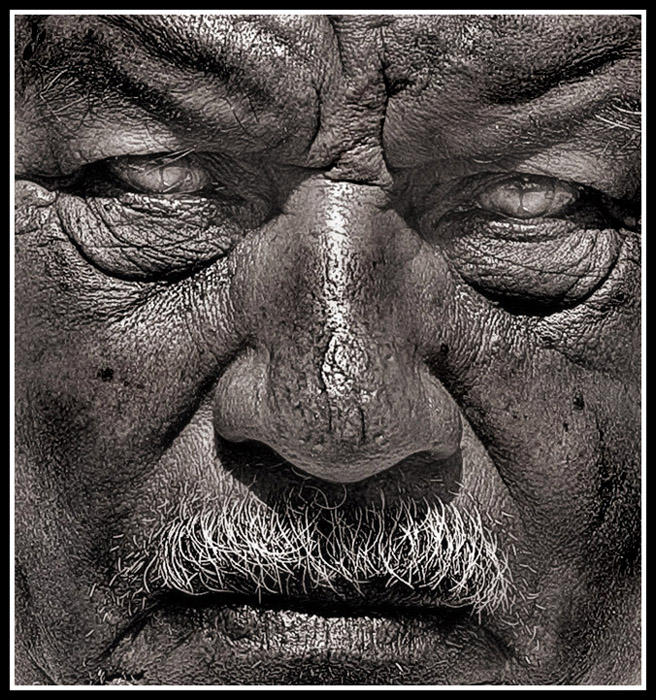
but now I see
This passage is John’s equivalent of the story in the other gospels in which Jesus is accused of being in league with Beelzebul; and he warns his critics of the unforgiveable sin against God’s Spirit. John’s story is also about obdurate blindness. In the midst of the arguments one thing is clear: Jesus has healed a blind man in whom the glory of God’s healing love is displayed. Those who cannot “see” this as good suffer from wilful blindness.
Spiritual blindness is a terrible possibility, not just for those who are blinded by worldliness but also for those who are blinded by arrogant religion. Refraining from condemnation, admitting our prejudices, seeking greater enlightenment and staying close to Jesus are useful antidotes.
 Emmock's Blog