This blog provides a meditation on the Episcopal daily readings along with a headline from world news:
HUNGARIANS PROTEST GOULASH DICTATORSHIP 
Deuteronomy 8:1-3
8This entire commandment that I command you today you must diligently observe, so that you may live and increase, and go in and occupy the land that the Lord promised on oath to your ancestors. 2Remember the long way that the Lord your God has led you these forty years in the wilderness, in order to humble you, testing you to know what was in your heart, whether or not you would keep his commandments. 3He humbled you by letting you hunger, then by feeding you with manna, with which neither you nor your ancestors were acquainted, in order to make you understand that one does not live by bread alone, but by every word that comes from the mouth of the Lord.
- manna
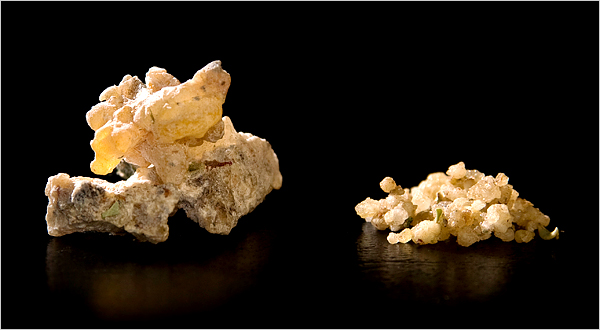
The miracle of the manna is interpreted by the authors of Deuteronomy (writing maybe 700 years after Moses), to be an image of the Torah which comes from God and feeds his people. This is a great wisdom: it does not deny the need for material livelihood, but balances that need with another just as great; the need for the wisdom of God, which is not found in nebulous spiritual practices but in the available commandments.
Obviously this wisdom can be used against the prevailing materialism of U.K. society. We try to live by bread alone but it doesn’t work because it denies the need of human beings for justice, kindness, integrity and holiness. The antidote is not some kind of vapid spirituality but attention to the available teaching and example of Jesus Christ. The sort of thing that feeds us is trying to obey his commandment to forgive seventy times seven. I say this from my own experience of trying and failing many times: it’s hard but it is nourishing.
John 6:30-33,48-51
30So they said to him, ‘What sign are you going to give us then, so that we may see it and believe you? What work are you performing? 31Our ancestors ate the manna in the wilderness; as it is written, “He gave them bread from heaven to eat.” ’ 32Then Jesus said to them, ‘Very truly, I tell you, it was not Moses who gave you the bread from heaven, but it is my Father who gives you the true bread from heaven. 33For the bread of God is that which comes down from heaven and gives life to the world.’ 48I am the bread of life. 49Your ancestors ate the manna in the wilderness, and they died. 50This is the bread that comes down from heaven, so that one may eat of it and not die. 51I am the living bread that came down from heaven. Whoever eats of this bread will live for ever; and the bread that I will give for the life of the world is my flesh. 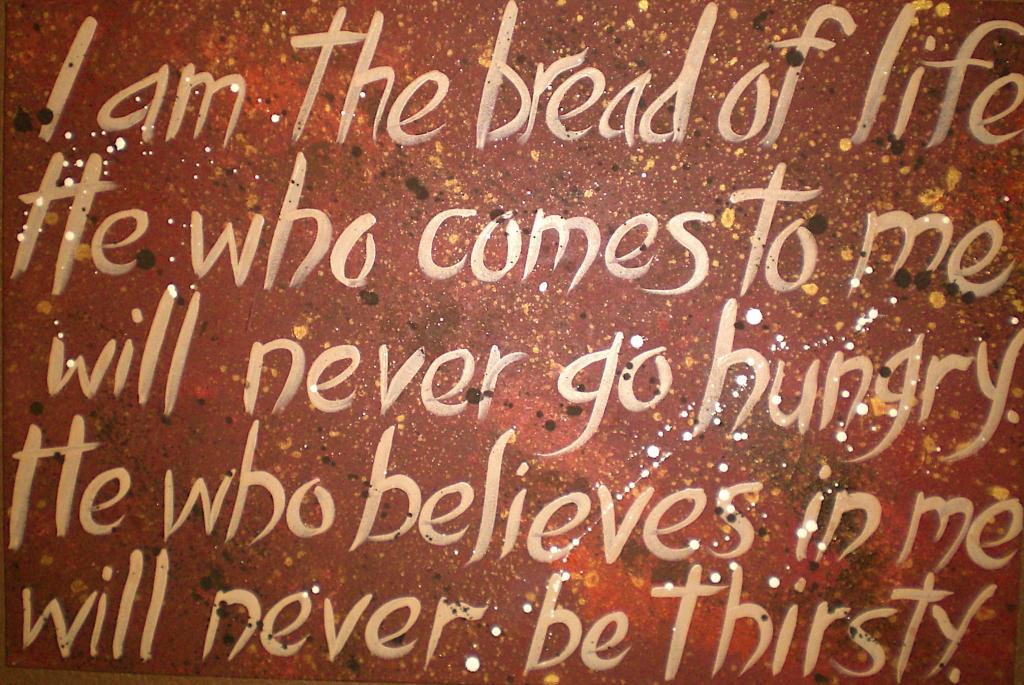
Jesus provides his own reinterpretation of the manna: it is that which comes down from God to give life to the world. He is explicit about what material food cannot give, namely, life not subject to death. True life lasts for ever. He is also explicit about his own part in this gift. He is the bread of life; his flesh, that is, his humanity, is given so that human beings may have eternal life. The source of Jesus’ life, his grace, goodness, justice and compassion, is not this world. “My kingship is not of this world,” he says. Discipleship of Jesus (whether explicit or implicit) is an adventure into something that comes from beyond this universe altogether but gives true life here and now. Yes, that’s a mystery but there’s no mystery about what we should do.
 Emmock's Blog