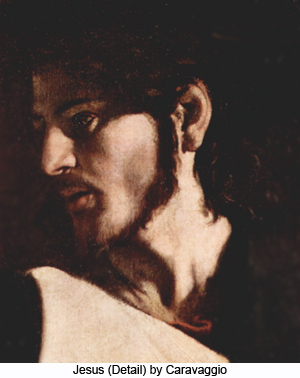
This blog provides a meditation on the Episcopal daily readings along with a headline from world news:
COSTA CONCORDIA WRECKED 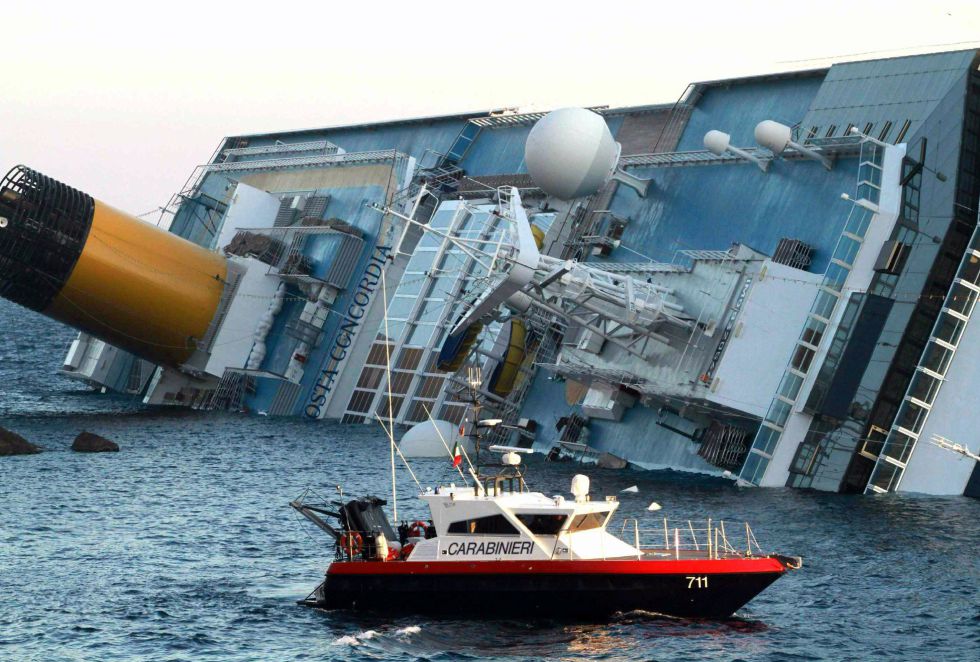
Genesis 6:9-22
9 These are the descendants of Noah. Noah was a righteous man, blameless in his generation; Noah walked with God. 10And Noah had three sons, Shem, Ham, and Japheth.
11 Now the earth was corrupt in God’s sight, and the earth was filled with violence. 12And God saw that the earth was corrupt; for all flesh had corrupted its ways upon the earth. 13And God said to Noah, ‘I have determined to make an end of all flesh, for the earth is filled with violence because of them; now I am going to destroy them along with the earth. 14Make yourself an ark of cypress wood; make rooms in the ark, and cover it inside and out with pitch. 15This is how you are to make it: the length of the ark three hundred cubits, its width fifty cubits, and its height thirty cubits. 16Make a roof for the ark, and finish it to a cubit above; and put the door of the ark in its side; make it with lower, second, and third decks. 17For my part, I am going to bring a flood of waters on the earth, to destroy from under heaven all flesh in which is the breath of life; everything that is on the earth shall die. 18But I will establish my covenant with you; and you shall come into the ark, you, your sons, your wife, and your sons’ wives with you. 19And of every living thing, of all flesh, you shall bring two of every kind into the ark, to keep them alive with you; they shall be male and female. 20Of the birds according to their kinds, and of the animals according to their kinds, of every creeping thing of the ground according to its kind, two of every kind shall come in to you, to keep them alive. 21Also take with you every kind of food that is eaten, and store it up; and it shall serve as food for you and for them.’ 22Noah did this; he did all that God commanded him.
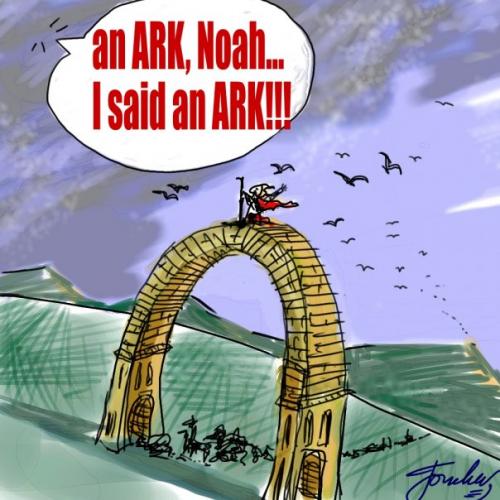 In previous blogs this week I’ve looked at the notions of divine wrath and punishment which are present in the text, but not yet considered human responsibility for the destruction of God’s creation. The flood is a symbol of the chaos that results from human disregard for the orderly structure of creation. Using a more modern theology we may say that the wrath of God is the His refusal to come between human beings and the consequences of their actions. Looked at from this perspective the flood is an ecological crisis of the type which faces humanity today: nature may survive but much of the present flora and fauna, including humanity, may not.
The just man and his family, inspired by God, fashion a means of survival for all living things. The ark is a technological achievement, an ecological community, and a comic element in the story. The children’s songs of the ark and its animals are good evidence of the delightful un-seriousness of the narrator’s solution to the imminent destruction of all life. Presumably if God wanted (although we should be careful with suppositions about this “God”) he could have saved Noah with a wave of his hand. In this case again he limits his compassion to what human beings can accomplish when inspired by His wisdom. Life as God created it is saved by human inventiveness, compassion, faith and courage, which produce a light-hearted and improbable salvation in the face of overwhelming odds. Again elements in this author’s theology remind the Christian reader of the “foolishness of God” (Corinthians 1)
For many generations readers have been able to respond to a story of near universal destruction as simply a theological myth. Now however, we have to respond as people faced with the real threat of world-wide disaster, certainly involving a universal rise in temperature and sea-level, and probably including many other sorts of crises. It’s clear that much of humanity is so blinded by evil and folly that they will do nothing more than stockpile energy resources and weapons for their own nations. Who then will have the wisdom and humour to build an ark for living things? The story of Noah is a story for our time.
John 2:13-22
13 The Passover of the Jews was near, and Jesus went up toJerusalem. 14In the temple he found people selling cattle, sheep, and doves, and the money-changers seated at their tables. 15Making a whip of cords, he drove all of them out of the temple, both the sheep and the cattle. He also poured out the coins of the money-changers and overturned their tables. 16He told those who were selling the doves, ‘Take these things out of here! Stop making my Father’s house a market-place!’ 17His disciples remembered that it was written, ‘Zeal for your house will consume me.’ 18The Jews then said to him, ‘What sign can you show us for doing this?’ 19Jesus answered them, ‘Destroy this temple, and in three days I will raise it up.’ 20The Jews then said, ‘This temple has been under construction for forty-six years, and will you raise it up in three days?’ 21But he was speaking of the temple of his body. 22After he was raised from the dead, his disciples remembered that he had said this; and they believed the scripture and the word that Jesus had spoken.
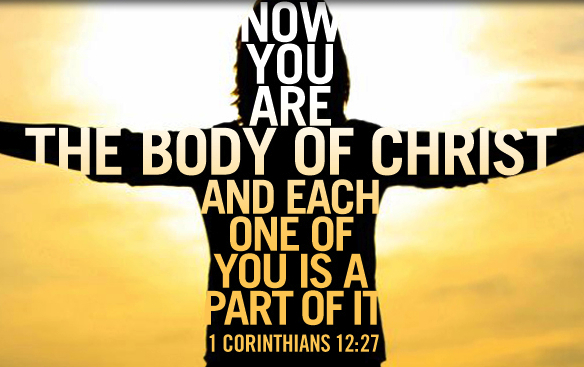
he was speaking about the temple of his body
This story can be applied to all the ways in which the holy place is turned into a market. For example, religious places which are designed and used to “sell” the gospel come under Jesus’ criticism: people should be invited to come to the Father but they should not be sold a pre-packaged salvation kit. Even more serious is the corruption whereby a religious institution sells religion to maintain the wealth and power of its priests. Or we might think of the world itself as the Father’s house and note the consequences of turning it into a universal market.
According to John, Jesus not only dealt with the corruption of the temple but prophesied its replacement by his risen body, which for his disciples would be the “place” in which they met the presence of God. In the faith of the church, the crucified and risen Jesus is himself the holy place, the ark of salvation for human beings.
 Emmock's Blog