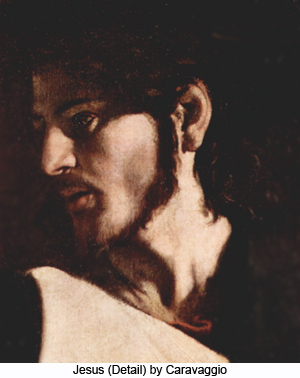
This blog provides a meditation on the Episcopal daily readings along with a headline from world news:
WE ARE BLIND TO THE DESTRUCTION OF SPECIES-U.N. REPORTS

UN Conference on species destruction
Job 19: 23
‘O that my words were written down!
O that they were inscribed in a book!
24 O that with an iron pen and with lead
they were engraved on a rock for ever!
25 For I know that my Redeemer* lives,
and that at the last he* will stand upon the earth;*
26 and after my skin has been thus destroyed,
then in* my flesh I shall see God,*
27 whom I shall see on my side,*
and my eyes shall behold, and not another.
My heart faints within me!
This is a famous passage and its interpretation is very much contested. Christian piety has always seen in it a vision of resurrection, whereas Jewish interpretation focuses on the “redeemer” the goel, who establishes the rights of a person who has lost out in a legal case; or who buys back the freedom of a person who has been enslaved as payment of a debt. Job believes that although he seems to be in the wrong, one day his “redeemer” will establish his innocence.
Even in the very different circumstances of life in Britain in 2012, the biblical faith in a justice which is not of this world remains relevant, both to those who expect to receive it in this life and to those who don’t. Ultimately God is the redeemer who provides justice for those who have been denied it.
John 9:18-41
18 The Jews did not believe that he had been blind and had received his sight until they called the parents of the man who had received his sight 19and asked them, ‘Is this your son, who you say was born blind? How then does he now see?’ 20His parents answered, ‘We know that this is our son, and that he was born blind; 21but we do not know how it is that now he sees, nor do we know who opened his eyes. Ask him; he is of age. He will speak for himself.’ 22His parents said this because they were afraid of the Jews; for the Jews had already agreed that anyone who confessed Jesus* to be the Messiah* would be put out of the synagogue. 23Therefore his parents said, ‘He is of age; ask him.’
24 So for the second time they called the man who had been blind, and they said to him, ‘Give glory to God! We know that this man is a sinner.’ 25He answered, ‘I do not know whether he is a sinner. One thing I do know, that though I was blind, now I see.’ 26They said to him, ‘What did he do to you? How did he open your eyes?’ 27He answered them, ‘I have told you already, and you would not listen. Why do you want to hear it again? Do you also want to become his disciples?’ 28Then they reviled him, saying, ‘You are his disciple, but we are disciples of Moses. 29We know that God has spoken to Moses, but as for this man, we do not know where he comes from.’ 30The man answered, ‘Here is an astonishing thing! You do not know where he comes from, and yet he opened my eyes. 31We know that God does not listen to sinners, but he does listen to one who worships him and obeys his will. 32Never since the world began has it been heard that anyone opened the eyes of a person born blind. 33If this man were not from God, he could do nothing.’ 34They answered him, ‘You were born entirely in sins, and are you trying to teach us?’ And they drove him out. <!– 35 –>
Spiritual Blindness
35 Jesus heard that they had driven him out, and when he found him, he said, ‘Do you believe in the Son of Man?’* 36He answered, ‘And who is he, sir?* Tell me, so that I may believe in him.’ 37Jesus said to him, ‘You have seen him, and the one speaking with you is he.’ 38He said, ‘Lord,* I believe.’ And he worshipped him. 39Jesus said, ‘I came into this world for judgement so that those who do not see may see, and those who do see may become blind.’ 40Some of the Pharisees near him heard this and said to him, ‘Surely we are not blind, are we?’ 41Jesus said to them, ‘If you were blind, you would not have sin. But now that you say, “We see”, your sin remains.
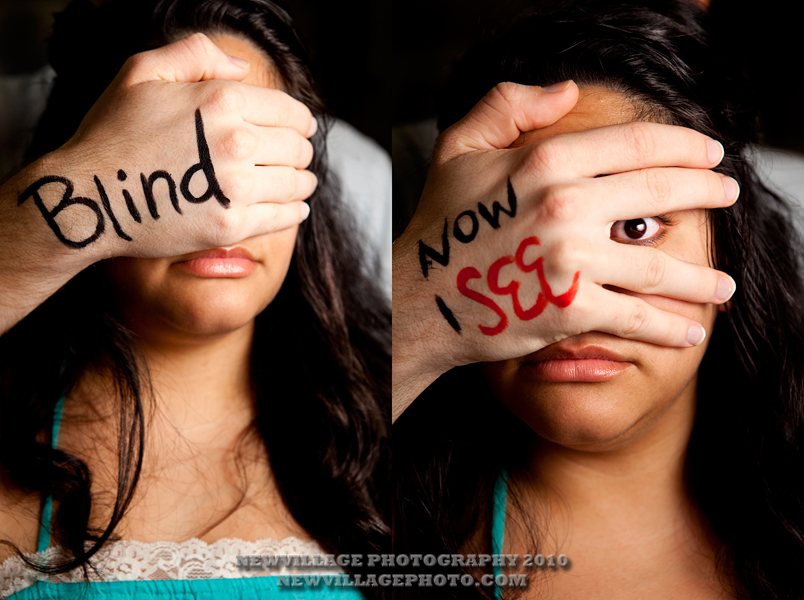 In this episode John shows the profound blindness of the religious leaders as opposed to the clear-sightedness of the man whom Jesus has enabled to see. His enlightenment is not merely physical but spiritual in that he understands that Jesus has acted out of the goodness of God. A simple trust in the one who does good condemns the sophisticated theology of religious experts.
We can use this simplicity in theological issues today: those who do good should be accredited as witnesses to God before all self-accredited announcers of God’s will.
 Emmock's Blog