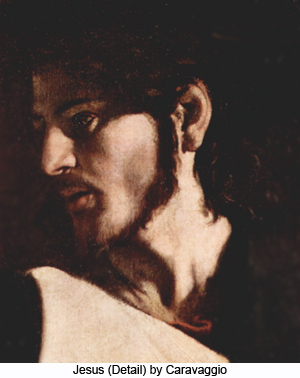
TRANSLATION MATTHEW 9:14
Then John’s pupils came to Jesus, saying, “Why is it that we and the Pharisees fast often, but your disciples do not?” And Jesus said to them, “The friends of the bridegroom can’t be sad as long as the bridegroom is with them. But the days are coming when the bridegroom will be removed from them; and then they will fast.”
No one puts a patch of unshrunk cloth onto an old cloak; for the filling will pull away from the cloak and the tear will be worse. And no one pours new wine into old wineskins, for if they do, the skins will burst, the wine will be spilt and the skins destroyed. But they pour new wine into new wineskins, and both are secured.
There has been a good deal of carelessness in some commentary on this passage. It is ebullient in mood: Jesus is the messianic bridegroom of the people and their wedding cannot be a time of restraint. A time will come when the bridegroom will be removed, meaning Jesus’ suffering and death, when his pupils will fast. Now the old religious customs are no longer useful. They are like an old cloak which will be ripped by a patch of unshrunk material or like old wineskins which will be exploded by new wine. When the new wine of Jesus’ gospel is put in new skins = new customs then both gospel and customs can be secured. It is not the “old skins = old customs which are secured. They are simply not usable by followers of Jesus.
That’s how I read this passage. Those who think Matthew means keeping the old and the new must justify this interpretation of a phrase which seems to say something very different.
The metaphor of the bridegroom, here attached to Jesus, is in the Hebrew Bible, attached to Yahweh God. For example Isaiah 54:5,6 asserts that the creator God is the husband of the people, while 62:4,5 says that the land of Israel will be married to the Lord. Hosea is one great drama in which God is the husband who keeps on seeking and forgiving his promiscuous wife, Israel. The gospel of John 3 :29 speaks of the bridegroom’s friend rejoicing in the consummation of the marriage, with the explanation that Jesus is the bridegroom, John Baptist the friend and Israel/ humanity the bride. The theological trope of the bridegroom lies behind several chapters in John’s gospel; and it is clearly important to Matthew also. The Christological interpretation of the Song of Songs by the early church shows how elaborate this metaphor could become. Something similar happens in the theological love poetry of Sufis, such as Rumi, in which Allah is the lover and bridegroom of the soul.
 Emmock's Blog