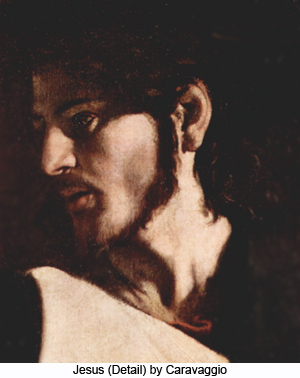
TRANSLATION MATTHEW 26:36
Then Jesus came to a place called Gethsemane where he said to his pupils, “Stay here while I go over there and pray.”
He took with him Peter and the two sons of Zebedee; and was soon filled with sorrow and anguish of mind. Then he said to them, “My soul is sorrowful, open to death; stay here and be awake with me.”
Going a little farther he put his face to the ground in prayer, and said, “My father, if it is possible, let this cup pass by me, yet not what I want but as you want.”
When he came back to his pupils he found them sleeping. He said to Peter, ‘ So couldn’t you stay awake with me even for one hour? Watch and pray that you do not enter into hard testing.The spirit is eager but the flesh is feeble.”
Going away a second time he prayed again, “My father, if it is not possible for this to pass by without me drinking it, then your will be done”
Then he came again and found them sleeping, for their eyes were heavy.
Leaving them he went off again and prayed a third time, saying the same thing again. Then he came back to his pupils and said, “Still sleeping and having a rest? See this!- the hour is upon us when the Son of Man is to be handed over to sinners! Up, let’s go. the one who hands me over is here.”
.
This narrative, based very closely on Mark’s , is a very open picture of Jesus’ weakness, since he prays to be spared the ordeal which he can easily imagine.
The detail of the scene is wholly imagined since nobody would have heard Jesus’ prayers. It’s possible that Mark developed his version of Jesus’ suffering and death, but also possible that others had done so before him. Matthew is content to edit Mark’s words very lightly.
The threefold prayer of Jesus is meant to match Peter’s threefold denial of Jesus.
Jesus’ need of companionship in his agony of mind is credible, as is the inability of the three pupils to provide it. Jesus has been their leader, teacher and encourager. The change of role is too much for them; meaning they refuse his plea for help. Perhaps they still struggle with faith in a God of power who will sort things out.
Jesus on the other hand finds out what he already guessed, that God needs him and his suffering to bear witness to God’s suffering and his victory. He is not delighted with this discovery, but he endures the test. Perhaps he remembers his own teaching, that the one who endures to the end, shall be rescued. Elements of the prophecy of the parousia of the Son of Man can be sensed behind Matthew’s narrative of Jesus’ suffering and death.
Jesus prayer about the cup takes the reader immediately back into the story of the last supper; the wine in it is the blood of the new covenant offered by God,; so what is at stake in Jesus’ decision is already clear. Albert Schweitzer thought that Jesus tried to turn the wheel of history towards the Rule of God and found himself torn apart by its movement without any Rule emerging other than that of the powers of the world. Matthew also tells a story about Jesus being torn apart, but as victory for himself and of God’s rule. It is not a pretty story.
When Jesus says that the flesh is feeble he is speaking of himself as well as his pupils. It reminds the attentive reader of his or her own flesh, and what terrible things can be done to it. When the terrible things are done it’s too late for decisions but beforehand, when the possibilities can be imagined, what a harsh trial there is, even for the magical messiah.
 Emmock's Blog