
This blog follows the daily bible readings of the Catholic Church
Reading 1, Acts 14:19-28
19 Then some Jews arrived from Antioch and Iconium and turned the people against them. They stoned Paul and dragged him outside the town, thinking he was dead.
Then the disciples came crowding round him but, as they did so, he stood up and went back to the town. The next day he and Barnabas left for Derbe. 21 Having preached the good news in that town and made a considerable number of disciples, they went back through Lystra, Iconium and Antioch.
22 They put fresh heart into the disciples, encouraging them to persevere in the faith, saying, ‘We must all experience many hardships before we enter the kingdom of God.’
23 In each of these churches they appointed elders, and win prayer and fasting they commended them to the Lord in whom they had come to believe. 24 They passed through Pisidia and reached Pamphylia. 25 Then after proclaiming the word at Perga they went down to Attalia 26 and from there sailed for Antioch, where they had originally been commended to the grace of God for the work they had now completed. 27 On their arrival they assembled the church and gave an account of all that God had done with them, and how he had opened the door of faith to the gentiles. 28 They stayed there with the disciples for some time.
Luke’s general account of the frequent violence suffered by Paul and his associates is borne out in Paul’s own letters, although it may be that Luke is concerned for political reasons to show Jews in a bad, and Romans in a good, light. The casual mention of very considerable journeys –they passed through Pisidia and reached Pamphylia-is as much witness to the rigours of the apostolic life, as their words about hardships. Although there is a danger of idealization, there is a clear indication in all the material about the first churches, of a people seized by conviction, on the move, not letting their society determine their agenda. The Scottish church today may have lessons to learn.
Gospel, John :27-31a
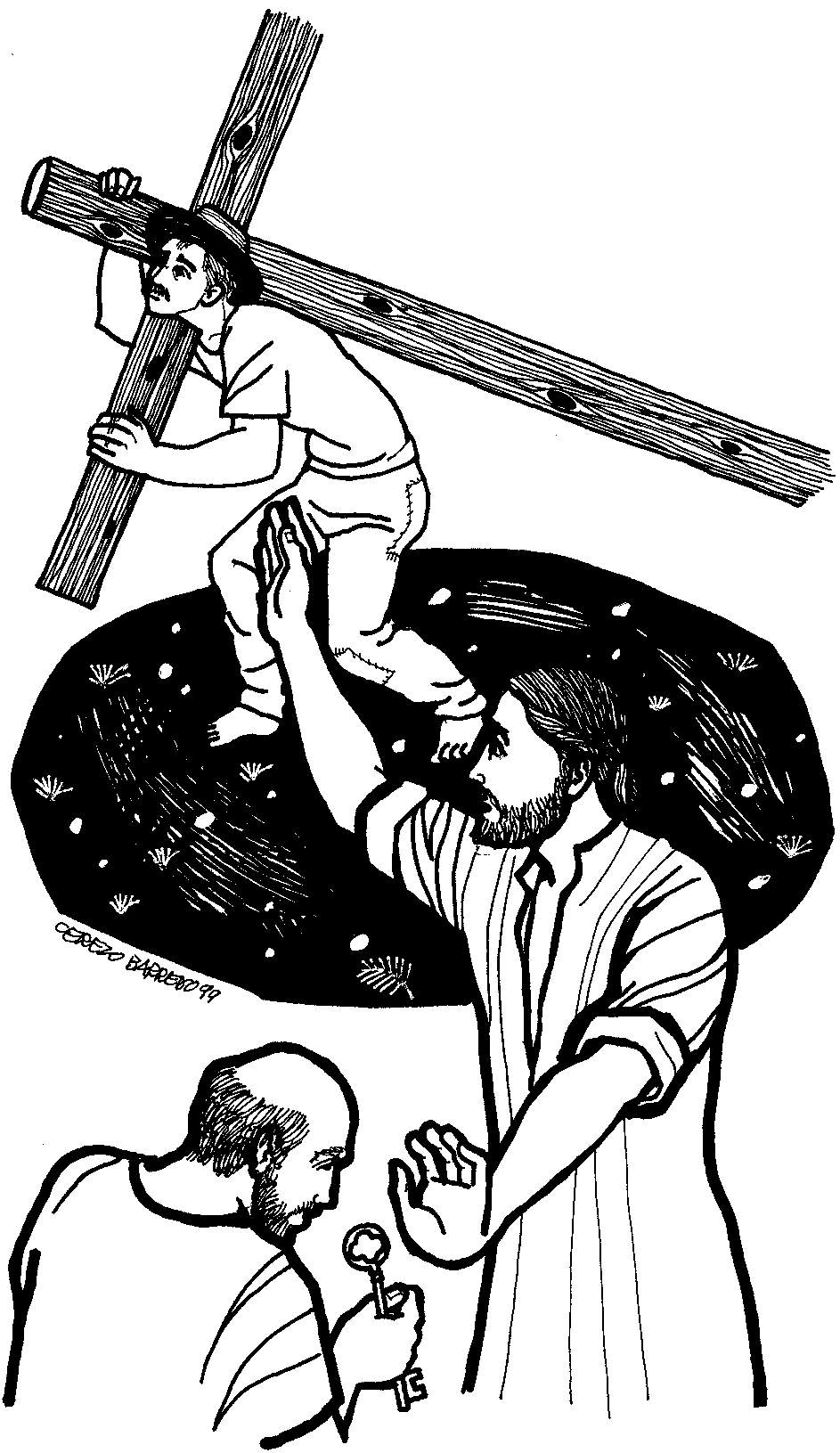
my peace...
27 Peace I bequeath to you, my own peace I give you, a peace which the world cannot give, this is my gift to you. Do not let your hearts be troubled or afraid. 28 You heard me say: I am going away and shall return. If you loved me you would be glad that I am going to the Father, for the Father is greater than I. 29 I have told you this now, before it happens, so that when it does happen you may believe. 30 I shall not talk to you much longer, because the prince of this world is on his way. He has no power over me, 31 but the world must recognise that I love the Father and that I act just as the Father commanded. Come now, let us go.
Jesus’ complete obedience to the Father’s will allows him to offer a peace which the world cannot touch: it is grounded in God. We cannot accept his peace without accepting his obedience. This is a lesson we have to learn again and again.
 Emmock's Blog