This blog follows the daily bible readings of the Catholic Church
Reading 1, Hosea 11:1-4, 8c-9
1 When Israel was a child I loved him, and I called my son out of Egypt.
2 But the more I called, the further they went away from me; they offered sacrifice to Baal and burnt incense to idols.
3 I myself taught Ephraim to walk, I myself took them by the arm, but they did not know that I was the one caring for them, 4 that I was leading them with human ties, with leading-strings of love, that, with them, I was like someone lifting an infant to his cheek, and that I bent down to feed him.
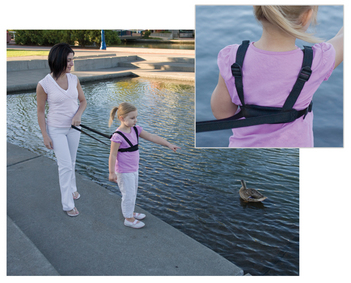
leading-strings of love
8 Ephraim, how could I part with you? Israel, how could I give you up? How could I make you like Admah or treat you like Zeboiim? My heart within me is overwhelmed, fever grips my inmost being.
9 I will not give rein to my fierce anger, I will not destroy Ephraim again, for I am God, not man, the Holy One in your midst, and I shall not come to destroy.
Out of the experience of loving a promiscuous woman, Hosea paints a radical picture of the feelings of a God who’s been rejected by his dear child. The images used by Hosea are intimately human: God loves, teaches to walk, leads with strings of love, lifts to his cheek and feeds, his child. His anger is fierce but so is his faithful love. God’s heart is in turmoil, but He remembers who he is, and chooses to be amongst his people to bring life, not death.
Hosea has made a fundamental alteration to the prophetic image of God. God will be angry but will not destroy. God is life for his people. There is a problem in attributing human emotions to God: where do we draw the line? On the other hand, not attributing human feelings makes God a different sort of monster, the unmoved mover. Hosea discovers that in God, anger expresses the will to rescue rather than to kill.
Gospel, Matthew 10:7-15
7 And as you go, proclaim that the kingdom of Heaven is close at hand. 8 Cure the sick, raise the dead, cleanse those suffering from virulent skin-diseases, drive out devils. You received without charge, give without charge. 9 Provide yourselves with no gold or silver, not even with coppers for your purses, 10 with no haversack for the journey or spare tunic or footwear or a staff, for the labourer deserves his keep. 11 ‘Whatever town or village you go into, seek out someone worthy and stay with him until you leave. 12 As you enter his house, salute it, 13 and if the house deserves it, may your peace come upon it; if it does not, may your peace come back to you. 14 And if anyone does not welcome you or listen to what you have to say, as you walk out of the house or town shake the dust from your feet. 15 In truth I tell you, on the Day of Judgement it will be more bearable for Sodom and Gomorrah than for that town.
In this passage God’s passionate commitment to give life is translated into the urgent mission of the disciples. They are to announce the nearness of the God who rescues. The sign of God’s unequivocal desire for life is the healing of the sick. We are not invited to dwell on the detail of healing: the means exist for healing and they will be used in God’s name. But the response to God’s initiative has to be positive. The Holy One is in the midst of them and he has not come to destroy, but the choice people make is crucial: receive life or reject it. The details of Jesus’ instruction show an evangelical brusqueness which honours the capacity of people to choose, without being seduced by emotion, or frightened by threats.

confront the powers of death
The sobriety of Jesus’ mission is a rebuke to established comfort and charismatic pantomime alike: it is solely focused on challenging the powers of death in any community. I remember an Italian pastor, who was working in Naples to confront what he called, “the morticians”. He was killed by the Mafia.
 Emmock's Blog