
This blog provides a meditation on the Episcopal daily readings along with a headline from world news:
LEADING AID DONOR BECOMES RECIPIENT: JAPAN NEEDS £145bn 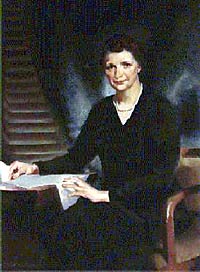
FEAST DAY OF FRANCES PERKINS, NEW DEAL POLITICIAN
Deuteronomy 15:7-11
7 If there is among you anyone in need, a member of your community in any of your towns within the land that the Lord your God is giving you, do not be hard-hearted or tight-fisted towards your needy neighbour. 8You should rather open your hand, willingly lending enough to meet the need, whatever it may be. 9Be careful that you do not entertain a mean thought, thinking, ‘The seventh year, the year of remission, is near’, and therefore view your needy neighbour with hostility and give nothing; your neighbour might cry to the Lord against you, and you would incur guilt. 10Give liberally and be ungrudging when you do so, for on this account the Lord your God will bless you in all your work and in all that you undertake. 11Since there will never cease to be some in need on the earth, I therefore command you, ‘Open your hand to the poor and needy neighbour in your land.’
………………………………………………………………..
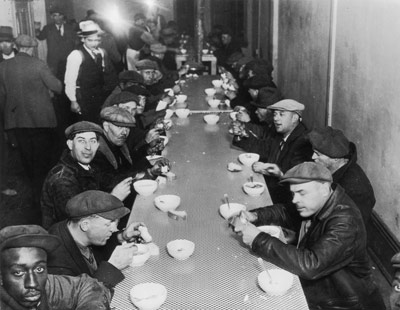 The reworking of the Mosaic Law that we find in Deuteronomy is specific about social obligation. It’s easy to agree with loving your neighbour as yourself but more difficult to make sure he has enough to live on. The Law here refers to the Sabbath Year when unpaid debts were to be cancelled. So who would lend money in the sixth year? This passage asks people to act on a different principle: all have received the land from God as a gracious gift, so all must show a gracious justice to their neighbour. Frances Perkins was Secretary for Labour in the FDR government 1933-45 and was instrumental in shortening working hours, establishing a minimum wage, and passing the Social Security Act. Her Christian faith led her to believe that generous justice should characterise good government. We all receive what we have not earned, our lives and our salvation; therefore we must live with “open hands” as a society as well as individuals. This gracious radicalism is much needed in today’s politics. Much of the rhetoric of the anti-government movement is based on the idea that we’ve wholly earned our own wealth. A minute’s thought will reveal what nonsense this is. How did I earn the sunlight? We can only prosper in reciprocal generosity: Japan was a generous contributor to International Aid; now it will receive aid to clean up after its disaster.
…………………………………………………………………………..
Luke 9:10-17
10 On their return the apostles told Jesus all they had done. He took them with him and withdrew privately to a city called Bethsaida. 11When the crowds found out about it, they followed him; and he welcomed them, and spoke to them about the kingdom of God, and healed those who needed to be cured.
12 The day was drawing to a close, and the twelve came to him and said, ‘Send the crowd away, so that they may go into the surrounding villages and countryside, to lodge and get provisions; for we are here in a deserted place.’ 13But he said to them, ‘You give them something to eat.’ They said, ‘We have no more than five loaves and two fish—unless we are to go and buy food for all these people.’ 14For there were about five thousand men. And he said to his disciples, ‘Make them sit down in groups of about fifty each.’ 15They did so and made them all sit down. 16And taking the five loaves and the two fish, he looked up to heaven, and blessed and broke them, and gave them to the disciples to set before the crowd. 17And all ate and were filled. What was left over was gathered up, twelve baskets of broken pieces. 
Frances Perkins focused on the meanness of the disciples, “Send the crowd away… ” and Jesus’ command to responsible compassion: “You give them something to eat.” Faced with human need that may disturb our lives our instinct is often to pray, “Send them away.” Jesus demanded practical care from his disciples which involved organisation (sitting in groups) and miracle (finding that the little they had was enough if received from Jesus). I believe that the miracle of grace is not absent from politics and happens whenever a society or group determines that human need will be met from common resources. That does not involve the abolition of private property or the establishment of “big government” but rather just legislation, generous provision for need, encouragement rather than denigration of the poor. Frances Perkins helped to provide these in the U.S.A during her time in politics. The Episcopal Church in the USA is to be thanked for marking this day with her name.
 Emmock's Blog
Thanks for the words about Frances Perkins. I knew who she was – more or less – but did not know all of this. You are right – we need more of this today.
The North-American tradition of Christian justice is powerful and insufficiently known. I’ve learned a lot from the Catholic activist Dorothy Day, amongst others.